Category Archives: Practice Tips

Filling Your Child’s Practise Tank (Part 2) – Piano Teacher in Wallsend, NSW

You have invested in piano lessons for your child and you believe in the benefits of music education. You love to see your child enjoying music, how hard they work and the joy it brings them.

Piano teacher in Wallsend NSWA couple of weeks ago, I posted – here – about ways you can show your kids how much you value the effort they are making with learning the piano and how these strategies can help to refill their “practise tank” when it is running low. Ramp up your involvement by trying some of the following ideas:

1. Balloon Surprise – Fill a kitchen cupboard with balloons that will spill out when your child opens the door. Ask him or her to help you with dinner and wait for the cupboard to open. On each balloon write one thing you love about your child’s piano playing (e.g. “I love to hear you play when I’m making dinner” or “I can hear so much emotion when you play” etc). Read all the messages together.

Piano Teacher in Wallsend NSW2. Surprise Sheet Music Shopping – When you collect your child from school, head off on a surprise trip to your local music shop and offer then the opportunity to choose any piece of sheet music or music book they like. Spend some time with them browsing through the options and finding just the right thing to take home. (Music stores are a treasure trove and can be overwhelming on the first visit, so ask the sales assistant to point you in the right direction for your child’s level).

3. Monday Morning Mirror Message – Use a white board marker to leave a message on your child’s mirror or the bathroom mirror before he or she wakes up. Write something like, “It makes me so happy to listen to you playing the piano.”
Piano Teacher in Wallsend NSW4. Post Office Package – Create a little package of special treats and a note about your pride in your child’s piano accomplishments. Mail it to your child and let them discover it in the mail box.


5. Build Excitement – If a recital, performance or exam is drawing near, build excitement with a countdown. Use a whiteboard, blackboard or even just a piece of paper on the fridge with “___ days until Jane’s piano recital” written on it. You could also use a calendar and cross off the days. Either way, the important thing is showing you value involvement in the performance aspect of music and this will ensure participation well into the teen years.

6. UnBEARable – Probably more fitting for younger kids… Find some teddy bear stickers and attach one to each of ten Post-It notes. Write, “It’s unbearable without your piano music. Please play for us” on each note and hide them around the house in unexpected places. Each time your child comes across one, they can play a piece for you.

7. Buddy Practise – Piano practise can be lonely, but a buddy on the bench can make a lot of difference. Even if you don’t possess a snippet of musical know-how, your child will appreciate you being there with them and will love answering your questions. Your child’s teacher will be able to give you questions and activities to help you show your involvement.

Piano teacher in Wallsend NSWAs mentioned in the first list of suggestions, most of these ideas require some planning and effort, but it will be so worth it when your child sees how much you value their hard work. It’s natural for their practise tank to run low; they only spend thirty minutes of the week receiving one-on-one encouragement from their teacher and the rest of the week it’s up to them to keep it going. So pick a few of these ideas, give them a try and watch your child’s confidence soar.

If you are considering music lessons for your child or for yourself, please contact me to discuss the options. Piano lessons are conducted at my studio in Wallsend, NSW.

Filling Your Child’s Practise Tank (Part 1) – Piano Teacher in Wallsend, NSW

Kids who are involved in sport tend to get a lot of “proud parent moments” – Mum shouting encouragement from the sidelines or Dad giving an enthusiastic pat on the back post-game. Piano kids don’t get this as much. They slog away day after day perfecting their skill with little glory until it is time for an exam or a recital. So what can we do to change this?

The key is in having your child see that you truly value the piano and that you understand the commitment it takes to learn an instrument. Most importantly, let them regularly see how proud you are of their effort.

Piano teacher in Wallsend NSWYour child has a piano practise tank.  It’s usually about 3/4 full – fun pieces, enjoyable lesson activities and a love for music keep your kids going.  But occasionally that practise tank dips and the indicator light comes on telling you that a fill-up is due.  What can you do to fill this practise tank? Try some of these ideas:

1. Sneak-a-Practise – Leave your child a note on his or her pillow on a weekend night that says, “Tonight you get to stay up late. When everyone else is asleep, you and I are going to sneak to downstairs/music room/lounge room so I can listen to you play the piano.” Serve warm milk and a snack in the piano room and light it by candle light only. This will be a very special memory for your child.

Piano teacher in Wallsend NSW2. Piano Pancake Surprise – On a weekend morning when the routine is more relaxed and you are still all in your pyjamas, surprise your child with ‘piano pancakes’ topped with chocolate chip crotchets (or quavers, or rests or whatever symbol they know that takes your fancy). For each pancake on the plate, have your child perform a piece for the family while you all watch.

3. Exclaim with Pleasure – It doesn’t always need to be something fancy. Sometimes a genuine,  enthusiastic and unexpected, “Wow, that was amazing!” part-way through their practise is a great motivator.

4. Check In – If you are on your way home from work and your child is already home, call him or her (hands free) from the car and make a special request for some driving music as you continue on your way home to them.

Piano teacher in Wallsend NSW5. Tech Free Practise Time – Whenever your child sits down to practise, make the household tech free. Turn off the television, mobile phones, computers… everything. Let the home be filled with the music they are creating and allow yourself to be fully present. This also shows your child that you value what they are doing and how hard they are working.

6. Start a ‘Warm Fuzzies’ Bag – Hang a pillowcase from the top of the piano. For each practise undertaken during the week, write a note about something you noticed was done well (e.g. how your day was brighter for hearing the music, a piece was improved, he played your favourite etc). At the end of the week your child can open the bag and read all the notes.

Piano teacher in Wallsend NSW7. Host a Piano Picnic – Invite the whole family to a ‘Piano Picnic Dinner’. Spread a blanket on the floor near the piano and serve some special picnic fare – cheese and crackers, tea and biscuits. In between bites, have your child provide the dinnertime entertainment. You may even like to make it a fancy occasion, drinking your tea with your pinky raised and speaking in a dignified manner… “Oh, daaahling, that was simply splendid… just magnificent playing, daaahling!” It will give them a good giggle as well as making them feel proud.
Of course, these ideas all take a bit of effort and some preparation. But think about the amount of effort your child is putting in to master an instrument like the piano. By showing how much you value their involvement in piano, you are laying a strong foundation for years of musical enjoyment, as well as strengthening their self esteem and self image.

So pick one or two of these and give them a try. In a fortnight I will give you another seven ideas, so be sure to check back in.

If you are considering music lessons for your child or for yourself, please contact me to discuss the options. Piano lessons are conducted at my studio in Wallsend, NSW.

How to Practise Away From the Piano – Piano Teacher in Wallsend, NSW

Back in the day when Australia had three school terms per year, it meant we were on school holidays shortly before we were due to sit our yearly piano exams. One year we were lucky enough to travel to America over the holidays and I remember thinking my mother was crazy for making us pack our music. We knew it was pretty unlikely we would find a piano anywhere to play! But she knew something we didn’t at the time… there’s are a lot you can do that will be useful, even without a piano. It’s about keeping the details of the music fresh in your mind.

SCORE STUDY

Piano Teacher Wallsend NSWFor younger students, setting up a scavenger hunt is a great tool. Any teacher would be happy to help you out with devising a list of items to find, such as “How many dynamic markings do you see?  What kinds of articulation markings are found and how many of each? On what note does your piece start? While these questions may seem simple, they help to create important connections in the student’s brain that will transfer nicely once he’s back at the keys.

For more advanced students, it can be a challenge to ask them to write – from memory – a passage from one of their pieces. This should include all articulation markings and dynamics. The ability to take what they can play and actually write it out in detail is challenging, but it allows them to see how much they are relying on muscle memory and auto pilot and how they may not be fully aware of the details of the score. While this is certainly challenging for advanced students, the technique can also be used for beginners.

MENTAL PRACTICE

Mental practice is a simple concept.  You “play” through your piece in your mind, hearing it as you would if you were actually playing it. But for a young child, mental practice is likely to go a little something like this…

“lah lah lah… I wonder what Ted is doing now… Ho hum… I’m hungry… hmmm… Georgie said I could borrow her skateboard… lah lah lah… uh oh…I’m lost.”

Kids are naturally active and their brains work a mile a minute.  Asking them to focus on a fairly involved mental task that is hard to evaluate can be tricky. There are tools to help improve mental practice and we’ll look at those in more detail in a later post. The good thing about mental practice is that is can be done anywhere, at any time – in the car, brushing teeth, lying in bed etc. The goal is to have students be able to mentally hear both treble and bass clef (together) from beginning to end with all of the articulation, phrasing, dynamics etc. that are on the page.

VISUALISATION AND TAP PRACTICE

Piano Teacher Wallsend NSW

Picture courtesy of brainpickings.org

Children spend so much time in an imaginary world, so they usually find visualising much easier than adults do. Visualisation is simply having the student – on a flat surface away from the piano – close their eyes while imagining their hands are on the keyboard. They then play through their piece on their imaginary keyboard. For younger or beginner students, you can use the following procedure to help them:

  1. Have your student place their hands on the table top with their eyes closed, and imagine they are about to begin playing a current piece.
  2. Ask questions to ensure they can really see their visualised keyboard and understand where their fingers are in relation to it, such as –

 “If your hands were on the keys, what is the black key that is closest to your left hand thumb?”

“Can you think about the very first note(s) in your piece and wiggle the finger(s) you use to play it?”

“Can you put your hands down in your lap and then bring them back up to the very same position?”

They tap their way through their piece, playing exactly as they would on the keys, but with no sound involved.  They still play hands together, with phrasing, dynamics and articulations as they would on the keys, but it is all done on a table top.

PUTTING IT ALL TOGETHER

Combining tap practice with visualisation, mental practice and score study is very effective and stops tap practice being just random finger tapping. Give it a try not just over the holidays, but any time throughout the term as the skills that are being developed with these techniques will serve you very well in your musical journey.

So what happened when I took my music all the way to America? Well, I did study it while I was there, but didn’t help the panic when my luggage went missing on the trip home… with my music in it! Luckily music and musician were soon reunited.

If you are considering music lessons for your child or for yourself, please contact me to discuss the options. Piano lessons are conducted at my studio in Wallsend, NSW.

What is Involved in Learning the Piano? – Piano Teacher in Wallsend, NSW

It’s a question – and the variants – that is asked quite often… what is involved in learning the piano? What is the commitment? How do we approach the early weeks and months? What will happen? So let’s have a look at what is required for a solid start.

These days there is an increasing trend to treat learning the piano the same way as any other extracurricular activity. On the surface, it’s another activity that ticks the educational box and it is “the done thing”. However, learning an instrument and particularly the piano, is a big commitment, even for the pupils who are just doing it for a bit of fun on the side. In fact, if piano is not practised regularly, pupils usually give up pretty quickly.

The reason for this is simple. Learning an instrument requires the use of three different types of memory:

  • visual;
  • auditory; and
  • kinetic (muscle/movement memory).

Piano lessons Wallsend NSWThe three must all be activated for a child to remember how a specific piece of music works. If a pupil doesn’t play or rarely plays during the week (for instance, just once at the weekend), the kinetic memory will not work and the student will not remember what to do. This usually results in them feeling discouraged. Chances are the lesson will be virtually the same as the previous one, the child will be disappointed and a vicious circle begins. A study determined that a pupil will forget 80% of the piano lesson if he/she does not practise within the following 48 hours. This is consistent with all types of research on learning and memory. A pupil who does not practise daily will not only feel bad, but will not play well at all and get frustrated. Think about how educators map out core lessons at school. In maths for example, if a child learned their times tables just on Monday morning they would struggle to remember them if they aren’t reinforced. Maths lessons are spread out throughout the week for a reason.
As you can see, practising regularly at home is crucial for the child’s enjoyment. It is absolutely necessary because a weekly half hour lesson will never be enough for them to make progress.

On the flip side of this is the good news… you don’t need to practise a lot if you practise every day. For a beginner, 5-10 minutes is fine. Of course this will increase with time, but it’s a good start and gets them into the habit. Children usually respond well to a routine so think about a fixed time such as just before dinner or straight after school. A little bit of patience and dedication is all it takes to both do well and get a real joy from their musical abilities.

Piano teacher Wallsend NSWThere are so many benefits to learning to play an instrument, but they aren’t all going to happen overnight. Because of this, it is not really appropriate to take the, “we’ll try it for a few months and see how it goes” approach. The commitment needs to be made for at least a couple of years. It’s about being realistic about what it takes to gain musical skills.

Besides, you have made a substantial investment in not only time, but tuition fees, music and possibly even an instrument. You want it to be worth it!

It is important to follow your child’s progress and help them to have a bit of fun and focus during their practise sessions. Most teachers write notes on the music and/or provide a practise sheet, so check them out and use those notes as a starting point. I have written a number of blog posts about making practise fun, using different incentives and mixing it up a bit and you can check them out by checking out past blog posts.

Finally, make sure your child brings their piano books to every lesson. While most teachers will have books that can be used during the lesson, no individual notes can be written in them and sent home with the child so the continuity is interrupted and the child will start their next practise session trying to remember what they were told.

Nobody wants piano practise to be a battlefield, so start out as you mean to carry on and establish the routine early. Then everybody can enjoy it.

If you are considering music lessons for your child or for yourself, please contact me to discuss the options. Piano lessons are conducted at my studio in Wallsend, NSW.

Ending Those Piano Practise Wars – Piano Teacher in Wallsend, NSW

I have an old cassette tape that is one of my most treasured possessions. My Dad made it for me many years ago and it contains different performances of mine over the years. It starts way back when I was 4 years old and made up a song (called “Baa, Little Lamb”) on the ukulele and also contains many snippets of me during piano practise. Or to be more precise, me arguing with either Dad or Mum about my piano practise. And all through my practise. I enjoyed playing and I did well, but like every other kid in existence, I didn’t like being told to practise. My sister and I knew that we had to practise twice a day; it was the first thing we did after breakfast and the first thing we did when we arrived home from school. Summer afternoons were hard. So were weekends. We had very strict parents. But we still tried it on.

So, as a teacher, I get it. I know my students don’t like to practise. But I also understand how much they need to. Playing an instrument is a physical skill and requires training of the muscles and fine-motor skills. When parents sign their child up for piano lessons they are not looking for a way to encourage epic battles at home.

How do we bring the desired peace to the home practise world? The wonderful folks at Teach Piano Today have put together five tips (with which I totally agree) to help restore harmony in your household.

Piano Teacher Wallsend NSW

1. LOCATION, LOCATION, LOCATION

It’s true in the real estate world, and it’s also true in the home practise world.  Having your piano in the most advantageous place in your home is of vital importance for successful home practise.

You want to find a balance between shoving the piano in a downstairs corner versus putting it in the centre of your most-used room.  Ideally the piano should be located in a comfortable room, close to where the family is, but away from major distractions.  Your child does not want to feel isolated during practise time – but they also do not want to compete with your food processor and washing machine.

2.  CRAMMING IS NOT THE ANSWER

Nothing stresses a parent out more than helping their child practise when they have 10 minutes before leaving for the piano lesson.  Keep the peace at home by beginning home practise immediately after you return home from their piano lesson.  This is the best time as they will still remember what they covered in their lesson, and the piano books will actually make it to the piano, setting you up for a good start to a week of practise.

Cramming creates feelings of inadequacy in your child as they struggle to perfect what should take 7 days to percolate.  Cramming makes you sweat and wonder why in the world you are paying for these lessons.  Cramming is not the answer.

3.  MISTAKES ARE OKAY

I promise!  It’s the job of your child’s teacher to sort out the mistakes in lesson time. Your job at home is to be the support – to remind them to spend time on the piano, congratulate them on their efforts, revel in the joy that is your child creating music, and show that you value music in your home.

Avoid the following statements and watch peace fall over your home immediately:  “Is that right?  I don’t think that’s right.”… “That’s not how it’s supposed to sound.”… “Are you watching your music?”… “Your sister played that piece and it didn’t sound like that.” … “Wrong note!”… “Try it again.” etc.  Your child will get their back up immediately and the practice wars are sure to ensue.

4.  “BUT MRS JONES SAID!”

How many times has your child shouted a statement similar to this?  “Mrs Jones said I only have to play the first page!”… “Mrs Jones said to play it up here.”… “Mrs Jones said to play it this fast!”… What your child is actually trying to say is “I want to be in charge of my learning.”  So let them.  Whether or not Mrs Jones actually said these things is beside the point.

Resist the urge to argue (and resist the urge to call up Mrs Jones to ask what the heck she is teaching) and trust that your child will sort it out themselves.  This is often a knee-jerk reaction on your child’s part – they so desperately want to be right and in charge and it’s their way of saying “Stay out of this, I’ve got it.”  If you allow them this right to direct their own learning you will help to create a confident piano student.

5.  BE PRESENT

For those parents who do sit with their child during practise sessions, you and your child will enjoy practise time so much more if you, the parent, are not multi-tasking.  Children thrive on one-on-one quality time,  and if this is combined with their piano practise, it is an activity that you will both grow to cherish.

Take away the distractions – the mobile ‘phone, the baby, the dog, the dinner preparation – and focus on just your child.  Soak up the experience of watching your young one learn such a complex skill.  Find a time to practise that isn’t restricted by deadlines.  Just enjoy making music together.  It’s difficult to start a practise war if you are truly “bonding on the bench”.

Piano practise is a commitment. It’s a daily event that can either be gloriously wonderful or horribly stressful.  Keep these five tips in mind when you start out this new practise week and welcome peaceful piano practise into your home with open arms.

If you are considering music lessons for your child or for yourself, please contact me to discuss the options. Piano lessons are conducted at my studio in Wallsend, NSW.

Distractions, Distractions… How to Banish Them With a Great Plan – Piano Teacher in Wallsend, NSW

“Hmmm… I really should go and make that cake I was thinking about yesterday…” 

“ I wonder if I could add a PowerPoint presentation to my history assignment…”

“I forgot to schedule the doctor’s appointment…”

“Oops… I can tell I should clean out the kitty litter…”

It’s great that our minds work so well to remind us of the things we need to be doing. It’s not so great that they tend to remind us at times when we should be concentrating on something else! Having your to-do list constantly jumping into your head when you’re trying your best to concentrate on practising the piano is far from ideal. You really need to be focusing on what you’re doing.

Piano Teacher in Wallsend NSW


Our brains have limited cognitive resources and we can’t be completely productive and engaged if we have baking and assignments on the brain. So what can you do to stop this happening?

Be clear about your intention before you start. Have a plan.


Researchers at Florida State University hypothesized that developing an “implementation intention” – a plan of how, where and when a project would be completed – would help to wipe other thoughts from the mind and make it easier to focus on the task at hand.

After studying 73 students in three different groups (a “plan” group, a “no plan” group and a control group) in a variety of situations, they concluded that the group who had planned their tasks before distractions were thrown at them not only performed better at their tasks, but also remembered more about the distractions. Because they were clear in their minds about what their plan entailed, distractions didn’t bother them as much and their minds were clearer.

However, simply brainstorming your plan doesn’t suffice; the plan needs to be specific. You also need to commit to the plan; the intention to follow through needs to be a big part of the deal.

Piano Teacher in Wallsend NSW

So where does piano practise fit in with this philosophy? If you sit down at the piano with the simple intention to practise, chances are your mind will be distracted by all the other things you should be doing… cooking, homework, cleaning etc. Instead, decide on a plan of what you intend to achieve for that session. Your teacher may have given you notes at the previous lesson outlining the areas that need work and this is a good place to start. Pick a passage that needs work, or a technique that requires improvement and decide what result you would like. For example, you may need to work on your two-note slurs and your plan could be to play five times an exercise you have been given by your teacher, then transfer that improved skill to your piece and play it three times. Or you may need to work on a list of scales; your plan could be to play each scale until you can play it three times in a row without error. Whatever you know needs work.

Basically:

  • Think about what you need to do;
  • Make a plan that is achievable;
  • Define the parameters of the plan; and
  • Commit to your intention to carry out the plan.

I’m sure you will find your practise sessions more productive and that’s a bonus for everybody!

If you are considering music lessons for your child or for yourself, please contact me to discuss the options. Piano lessons are conducted at my studio in Wallsend, NSW.

Getting Through the Holidays – Piano Teacher in Wallsend, NSW

Let’s make this school holiday period about the word ‘more‘.

MoreWithout being restricted by the kids’ school routine, you probably have more time. What does this mean for piano practise?

Don’t break the practise routine you have running through term, but use this opportunity to have more fun with practise.

Become more involved.

Create more interaction.

Understand more about what your kids are playing.

How do you do this? By asking them questions. Ask them about what they are playing. Ask them to show you how to do something. For my students, I can supply some flashcards you can use. Following are some examples/suggestions to get you started:

  • What part of this piece do you find the hardest? Can you play just that part for me?
  • Can you play a scale with your eyes closed?
  • Can you show me how to play the last note and then nod at me when it’s time to play it?
  • Can you play this piece in slow motion?
  • Can you follow me conducting you? (Vary the speed and have them follow you).
  • What story do you think this piece is telling?
  • Can you pick one bar and clap the rhythm? I’ll try to copy you.
  • Can you explain to me what this means? (Pointing to any marking on the music).

It doesn’t matter if you don’t know the answers. It is all about getting them to think about what they are doing and sharing it with you. They will love being able to teach you something!

If there is something they can’t answer, have them make a note to ask their teacher, but don’t dwell on it; move on to something else. You want to keep it interactive and fun.

Throw a different question at them every time they practise and you might be surprised how eager they are to share with you. Have fun with it 🙂

If you are considering music lessons for your child or for yourself, please contact me to discuss the options. Piano lessons are conducted at my studio in Wallsend, NSW.

How to Practise When You’re Not Really Practising Part II – Piano Teacher in Wallsend, NSW

It’s likely that nowhere in the world does there exist a child who loves to practise. It’s just not how they are made. As adults, we can understand the reasoning behind the philosophy and appreciate the resulting improvement, but for kids it is a necessary evil… a drag.

So while we want them to learn to appreciate it, it doesn’t mean we can’t occasionally throw some fun in there for them as well. Chances are they won’t even realising they are practising!

If you find your child’s interest is waning or you’re just tired of the battle, give some of the following ideas a go:

  • Piano teacher in Wallsend NSWHave them pick one of their pieces and turn all of the notes into twins. i.e. play every note twice.
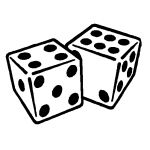
  • Roll dice to determine what bars of their piece to play. If they are playing pieces more than a couple of lines long, also add the value of the dice. For example, if they roll a 3 and a 6, they should play bars 3, 6 and 9. Keep playing just these bars until they can play them from memory.
  • Get into rockstar mode… stand up to play and have them strike their best rockstar pose.
  • Have an adult conduct them at varying speeds. If the adult waves their baton (whatever you can find in your kitchen, or even a piece of paper rolled up) fast, the child should play fast. Slow down the conducting and the playing should slow down as well.
  • Piano teacher in Wallsend NSWPlay only the first note in each bar. Write out this new melody.

  • Have the child make a paper aeroplane and throw/fly it towards the piano. Wherever the plane lands is the octave in which they should start playing their piece. If they miss the keyboard, they have to play the piece normally… three times!

Adding some fun and variety into some of their practise sessions will hopefully keep practise fresh for your child (and less stressful for you). Plus, a less mundane practise is much more likely to be effective and beneficial. See what other ideas you can come up with 🙂

If you are considering music lessons for your child or for yourself, please contact me to discuss the options. Piano lessons are conducted at my studio in Wallsend, NSW.

When is the Best Time of the Day for Piano Practice? – Piano Teacher in Wallsend, NSW

I am not a morning person. Not by any stretch of the imagination. As an adult, I have become a night owl who rarely sees the sun rise. However, on those occasions when I do, I can truly appreciate what I am missing. You can watch and feel the world coming alive. The air is crisp and fresh… and so are our minds.

One of the first questions I am asked by new students or parents is how often the student should practise. This is often followed by asking when they should practise. The short answer is of course, when it best suits the family, because making the effort and starting the habit of practise is worthwhile at any time.

However, that doesn’t mean there aren’t times of the day that are better than others. Think about when your kids are most alert and present. It is usually in the mornings, before the pressures of life, study, friends and other activities come along to befuddle their brains. They may be bouncing off the walls after escaping the school gates, but it doesn’t mean their concentration is at optimum levels. You would be familiar with the regular battle of having homework completed!

First and foremost it is our minds that play the piano – not just the fingers. Your mind must be active at all times. Five minutes of concentrated practise is far more valuable than five hours of moving your fingers while your mind wanders.

In the morning you have the highest level of concentration. Practising in the morning becomes part of your morning routine and you don’t need to worry about fitting it in to the rest of your day. That’s not to say it is easy; your mind probably won’t want to do it. But it will get your brain firing on all cylinders so you are ready to jump into the rest of your day.

Most young learners are able to focus and maximise their learning if done early in the day.

Piano teacher in Wallsend NSW

Sunrise photograph courtesy of Doreen Laforest, Sydney NSW


As a bonus, research has shown that we are at our most creative in the morning. The part of the brain that controls thoughts is still snoozing, so is not curbing your creativity.

Of course, many students complain that they have to get to school and can’t practise in the morning. The easiest solution is to wake up earlier and go to bed earlier. But if you can’t, you can’t. As I said earlier, I’m not a morning person, so I understand the struggle. The next best thing is to just spend 15 minutes practising one section. Often a couple of shorter sessions can be more effective than one long one.

Remember to consider your neighbours – if getting up earlier means practising at 6am, you may find you are reported for noise disturbance!

The most important thing is that whatever time you pick is a time when your mind is refreshed. Remember the purpose of this practise is to really concentrate on your playing. When you pick a time, schedule it in so it becomes part of your family routine.

If you are considering music lessons for your child or for yourself, please contact me to discuss the options. Piano lessons are conducted at my studio in Wallsend, NSW.


Three Sure-Fire Ways to Improve Your Playing – Piano Teacher in Wallsend, NSW

I know I talk a lot about practising, but it is so important I can’t ignore it. Practise is the vital component of being able to play well. The linchpin. The thing that brings everything else together.

You can have the best teacher in the world and turn up every week for your lesson, but if you do no work in between lessons, you simply will not improve. Because of this, I post often about practicing. Different tips and techniques will resonate with each person or family, so I like to throw into the mix as many ideas as possible.

These three points are not really tips, though – they are fundamentals. They are the three things I push with all my students from day one. I’m sure sometimes I sound like a broken record!

If you are having trouble with a particular passage, any one of these techniques will help and often a combination is even better:

Slow down

Slow down and take your time. It can be frustrating when you know how the piece sounds and you just want to play it at speed so the familiar sound and what you are playing are closer together. But playing too fast doesn’t allow you to really pay attention to what you’re playing or note the areas that need additional work.

It is not necessarily easy to play at a very slow speed and discipline is required, but once you see the value it is much easier to stick with the technique. Practicing slowly helps with a range of aspects:

  • Establishing correct fingering;
  • Phrasing;
  • Wrist and arm movement;
  • Understanding chord structure; and most importantly
  • Note accuracy.

It allows the brain more time to comprehend every aspect of the piece and understand the overall picture or structure.

Physically, it can also help with tension. When we are playing a difficult passage, we will often subconsciously tense up and become stiff, particularly with fast sections. When playing slowly the body is more likely to relax, allowing for more freedom of movement and improved sound quality.

Speed can be built back up but bad habits are harder to unlearn. Also, your brain has already learned all the necessary movements so speed is just about thinking faster J

There is no such thing as too slow!

Count out loud

Even though I have been playing for over 40 years, I still find counting out loud is the easiest way to get my mind around a complicated new passage. It is particularly crucial for beginners and works excellently in conjunction with the point above about slowing down. Counting out loud helps develop a sense of rhythm; the physical act of counting makes the rhythm more dominant and the hands tend to follow.

As an extension, clapping the rhythm can also be useful; it allows you to hear and understand the rhythm before adding in the melody.

Separate hands

Similar to pulling difficult passages out of a whole song, playing with separate hands helps to reduce complexities into manageable tidbits.

Piano teacher in Wallsend, NSW

Practising the left hand separately.

Think about technical development in areas such as scales and arpeggios – it is always learnt playing with separate hands first. Even the AMEB technical syllabus introduces new concepts with separate hands for a grade/year before they are brought together the following year/grade. It is only once these techniques are mastered that the hands are brought together. In many cases this philosophy can be taken into the pieces we play as well.

Playing hands separately allows the muscle memory of each hand to be continually reinforced, which makes it easier to then bring them together.

Practicing hands together is not twice as hard as practicing hands separately—it is at least four times as hard. As your playing becomes more advanced you will come across pieces where each hand is a separate voice or voices, and you want to hear and understand how they sound in isolation so each one can be shaped into an independent voice before putting them together.

Separating the hands is useful in the majority of instances, but may not help in pieces where the melody is constantly flowing between the two hands.

So if you are struggling with a difficult piece (or passage), remember the three golden rules:

  1. Slow everything right down.
  2. Count out loud.
  3. If still having trouble, play each hand separately.

If you are considering music lessons for your child or for yourself, please contact me to discuss the options. Piano lessons are conducted at my studio in Wallsend, NSW.