
Around a third of the students in my Wallsend studio are adults, but they didn’t come here as beginners. They are students who have done it the hard way, being mainly self-taught or grasping on to knowledge remembered from brief childhood lessons. They come to me because they know something is holding them back from improving, but they either don’t know what that is, or they know what they need, but not how to achieve the improvement.
Because of this, they have a different journey to somebody fresh to the instrument, but it is usually more convoluted. Often, years of incorrect or insufficient technique needs to be addressed and we all know how difficult it can be to change habits we have employed for years.
Added to this, adult students have a myriad of other commitments and stresses in their lives with work, family and community, yet despite this, they are the students that practise most often, most consistently and most effectively.
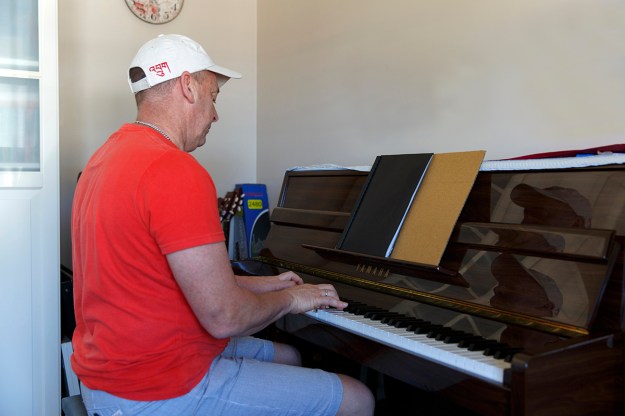
Lessons with adults are often much more Intense than kids’ lessons, as they are aware of the commitment (both financial and time) and want to draw the most value from every minute. I find they challenge me more, because I need to think on my feet and find alternate ways to explain things. Kids accept explanations, but adults look for deeper understanding, so it benefits me as well.
Adults learners can be fluid, flexible and adventurous and bring with them a strong motivation to learn. But they are also cautious, perfectionists and extremely hard on themselves. They are often very anxious to achieve their goals and it can be difficult to convince them they are doing well. Adult students are also better able to articulate their problems and understand practise suggestions, both benefits helping them to make consistent progress.
Being more mature and better equipped to understand the inherent emotion in the music they are playing, adult students can adeptly communicate a wide range of styles and emotions. Even for older adults who may experience some physical limitations, there will always be pieces suited to their physical level that can satisfy them emotionally and still challenge them technically. Expanding the repertoire of a self-taught adult to genres and styles outside their normal playing habits is fun for both of us and hopefully also their audience at home.
Sungwon is currently preparing for her Grade 4 Piano for Leisure exam in a few weeks and agreed to share this video. You can tell from her reaction at the end that she wasn’t happy with her performance; as I mentioned, adult students are their own worst critics!
The best thing about adults learning to play the piano is they are free to do as they please. Adults aren’t trying to please a parent, a teacher or an examiner. No one is forcing them to take lessons. It’s about them and the music. And that is a blessing
If you are considering music lessons for your child or for yourself, please contact me to discuss the options. Piano lessons are conducted at my studio in Wallsend, NSW.
 You understand the mechanics of running, but does the information in your brain translate to your muscles so they know how to behave? No. The muscles need to learn those new skills.
 A similar problem occurs when – for a variety of reasons – students want to rush through levels of exams. This often means learning only the minimum number of pieces to get through, and the overall musicianship is sacrificed.
 Don’t slack off on your practise and then cram it all in during the week before. Playing piano is a (cumulative) physical skill as well as mental; you wouldn’t run a marathon if you had only been training for a week.
 Not just between your child and their instrument, but also between your child and music in general. There have been lots of studies proving the benefits of music to our brains, but these benefits won’t occur by just turning up to a 30-minute lesson once a week. They will also learn more about their instrument – how it feels, how it sounds, what it can do – and will become more attuned to how they can control what sound it can produce.
 To play an instrument, your child’s brain is processing a great number of details simultaneously, combining rhythm, pitch, technique, body positioning, fine motor skills, dynamics, texture, tonal shading and more. The synapses being developed in the brain of a musician are unique.
 Piano skills don’t instantly appear, but grow over time. Having a goal towards which they can steadily progress gives your child the opportunity to understand the concept of steady progress and delayed gratification.
 When they play sport, they accept they will have to go to training sessions. Many of them probably practise their ball skills at home. But they don’t call it practise.
 These days there are coaches for everything – fitness coaches, vocal coaches, sport coaches, diet coaches, life coaches, drama coaches, executive coaches, dance coaches. The list goes on and on.
 Try it out with your kids. Change the language. See if they are happier to rehearse or to train or even to prepare for their next coaching session. Modify the vocabulary and find what works for them. Whether we like it or not, neglecting practise – or not practising enough – is not going to get them anywhere. But perhaps rehearsing or training will.
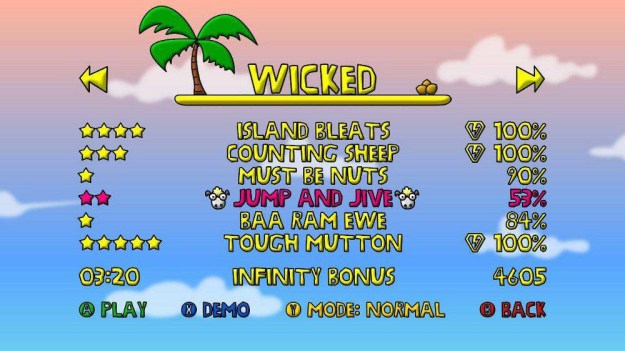
 The Most Addicting Sheep Game is a seemingly simple rhythm app for the iPad where jumps and rolls must be perfectly timed to the music by tapping or swiping on the screen. It is easy to learn, but tricky to master.
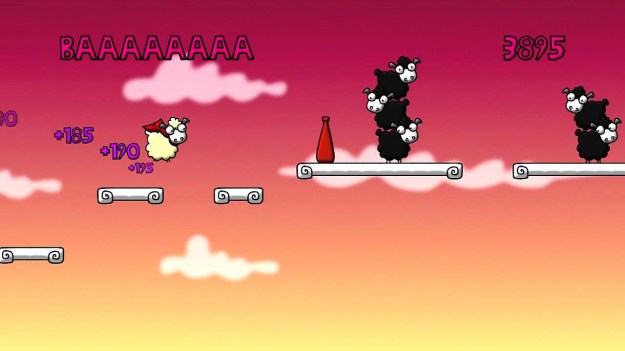 The sheep can jump at either one, two or four beats and can also jump two different height levels. An obstacle on the path – such as a tower of balancing sheep – requires a swipe to knock down. This means, as with most things to do with playing music, your brain is concentrating on multiple things at the same time. The picture above shows one beat and two beat lengths, a double jump and single jumps plus swipes. All of that would take less than five seconds to execute. Plus it all has to be done strictly in time with the music!
 The graphics are cute and the music is catchy. At first the music can be annoying – especially when you aren’t being successful – but all of a sudden you will find it’s an integral part of the mood and the fun.
 You can find it


 2. Set a goal. No matter what your level, from beginner to advanced, you can benefit from setting some practise goals. You may want to learn a new song, memorise a piece or even improve your sight reading. Set interim goals for yourself along the way so you can check in and make sure you’re on track.
 4. Listen. While this won’t actually exercise your playing muscles, it is a very important part of learning and studying music. Listen to lots of different pianists and listen to other instruments as well. Children tend to only know the music styles listened to by their parents, so its a good opportunity for them to be exposed to a variety of genres. One of my students has grown up with the classic rock of her parents but has recently discovered musical theatre soundtracks (thanks, YouTube). She is enthralled with how the mood of the music tells a story and often comments on “the power” she hears in songs. Expose your musical ear to all sorts of things. You won’t like them all, but you will find plenty you do like.
 merri bell music