
Resources… resources… resources!!
Games, worksheets, iPad apps, flashcards…
The world of piano teaching has changed a great deal since the days I learned. These days kids seem to need more enticing and encouragement to learn. Perhaps this is because many of them are starting with piano at a much younger age. It may also be related to today’s kids being used to more instant results. Couple those reasons with the fact that the internet makes it much easier for teachers to share with each other their techniques and resources and the teaching world is awash with resource options.

Sifting through them all can result in some interesting finds. One that I found early on – but didn’t then understand all the benefits of – is the ladybird (or ladybug, depending on where you are in the world) squeeze toy. Used mainly as a tool to explain and encourage correct hand position, it also has a host of other uses.
When a younger (under 10) student starts with me, they receive their very own ladybird. They name it (a favourite seems to be Lily) and use it every day in their practise routine.
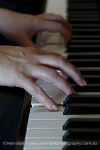
As mentioned, the main selling point of the ladybird is to show correct hand position at the piano. The shape of the bug mimics the natural position of the hands if you let them fall by your sides, which is also the optimum position for playing the piano. Having this visual as well as something that allows them to physically feel the shape is of great benefit to those who struggle to hold their hand correctly.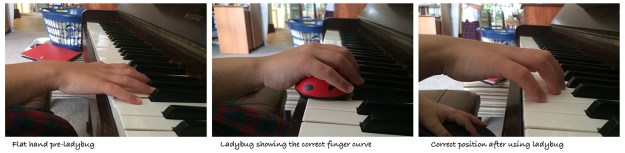
The other main use of the bug in my studio is to help build strength in the fingers. This is achieved simply by using the ladybird as you would a stress ball and regularly squeezing it – slowly and steadily. This is usually why the kids are using their ladybird every day – to help build strength in their little fingers that are suddenly being asked to do a whole new set of tasks. As the strength builds, flexibility also grows.
This regular use allows them to really connect with their bug and also allows them to have something of theirs with them in their ‘practise nest’ at practise time. Using it away from the piano (for squeezing) shows the kids right from the start that playing the piano isn’t just about the physical act of connecting fingers to keys, but incorporates their mind and their muscles and can be worked on in various ways even when a piano isn’t around.
As their playing develops, the ladybird can also be used for reinforcement of other techniques (e.g. placing it on the back of their hand and seeing whether it stays there or tips off according to the style they are being asked to play) so it can continue to grow with them as they develop.
I keep my eyes open all the time for new tools and resources, because you never know when you might come across something that seems simple, but can be of great benefit.
If you are considering music lessons for your child or for yourself, please contact me to discuss the options. Piano lessons are conducted at my studio in Wallsend, NSW.
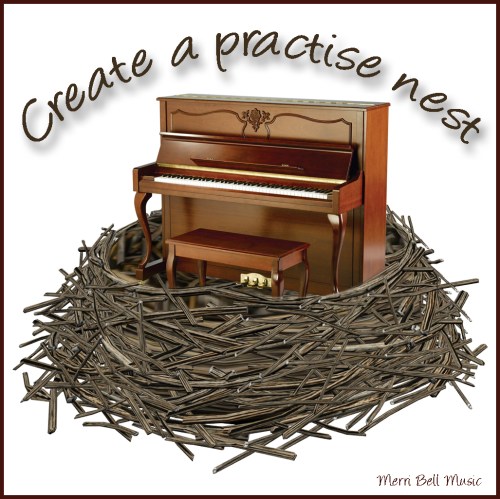 1. When choosing a location for your piano, select a space that is lived-in, welcoming, and well-lit. Keep it close to ‘the action’ but not in the action. Your children will gravitate to the piano more often if it is in a central place in your home. Avoid bedrooms, basements and other ‘put away’ places. Feeling shut-off from the family while practising will inevitably lead to a reluctance to spend time on the piano.
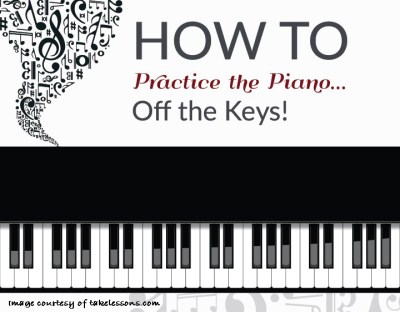 However, for those who are going to be away from their piano for a period of time, standard practising obviously isn’t possible. I have
 The middle pedal:
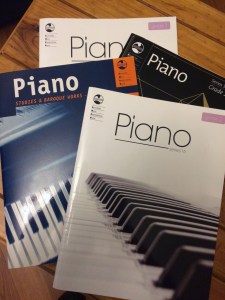 The first point above makes the combination of issues somewhat specific to Australia, as the Australian Music Examination Board (AMEB) is the dominant player in providing instrumental assessments in Australia only, but the problem of less available practise time and younger beginners is lamented by teachers worldwide, whether in relation to exams or just general progress.
 Following are some tips that can help you make the maximise the effectiveness of your practise time:
 4. Schedule your practise sessions – While this seems self-explanatory, this technique will only work well when in conjunction with the tip above – if you schedule in time, you must be prepared to give that time your full concentration. For some, the best time may be first thing in the morning when the mind is fresh (and you will feel accomplished at having started your day by completing a major task) while others may need to wait until the kids are in bed and the household jobs completed.
 7. Keep a practise journal – A practise journal is a log of your practice sessions, including what you practise and for how long. It can be a notebook, a Word document, a spreadsheet or whatever works for you. At the end of each practise session, write down which pieces you worked on and how long you spent on each one. This can serve to force your mind to focus and may also help with planning future practise goals (in fact, it can be an interesting exercise to compare it to your original goals).
 9. Study away from the piano – This has been covered in more detail previously
  A couple of weeks ago, I posted –
  2. Surprise Sheet Music Shopping – When you collect your child from school, head off on a surprise trip to your local music shop and offer then the opportunity to choose any piece of sheet music or music book they like. Spend some time with them browsing through the options and finding just the right thing to take home. (Music stores are a treasure trove and can be overwhelming on the first visit, so ask the sales assistant to point you in the right direction for your child’s level).
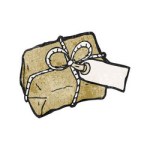 4. Post Office Package – Create a little package of special treats and a note about your pride in your child’s piano accomplishments. Mail it to your child and let them discover it in the mail box.
 As mentioned in the
  2. Piano Pancake Surprise – On a weekend morning when the routine is more relaxed and you are still all in your pyjamas, surprise your child with ‘piano pancakes’ topped with chocolate chip crotchets (or quavers, or rests or whatever symbol they know that takes your fancy). For each pancake on the plate, have your child perform a piece for the family while you all watch.
 5. Tech Free Practise Time – Whenever your child sits down to practise, make the household tech free. Turn off the television, mobile phones, computers… everything. Let the home be filled with the music they are creating and allow yourself to be fully present. This also shows your child that you value what they are doing and how hard they are working.
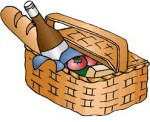 7. Host a Piano Picnic – Invite the whole family to a ‘Piano Picnic Dinner’. Spread a blanket on the floor near the piano and serve some special picnic fare – cheese and crackers, tea and biscuits. In between bites, have your child provide the dinnertime entertainment. You may even like to make it a fancy occasion, drinking your tea with your pinky raised and speaking in a dignified manner… “Oh, daaahling, that was simply splendid… just magnificent playing, daaahling!” It will give them a good giggle as well as making them feel proud.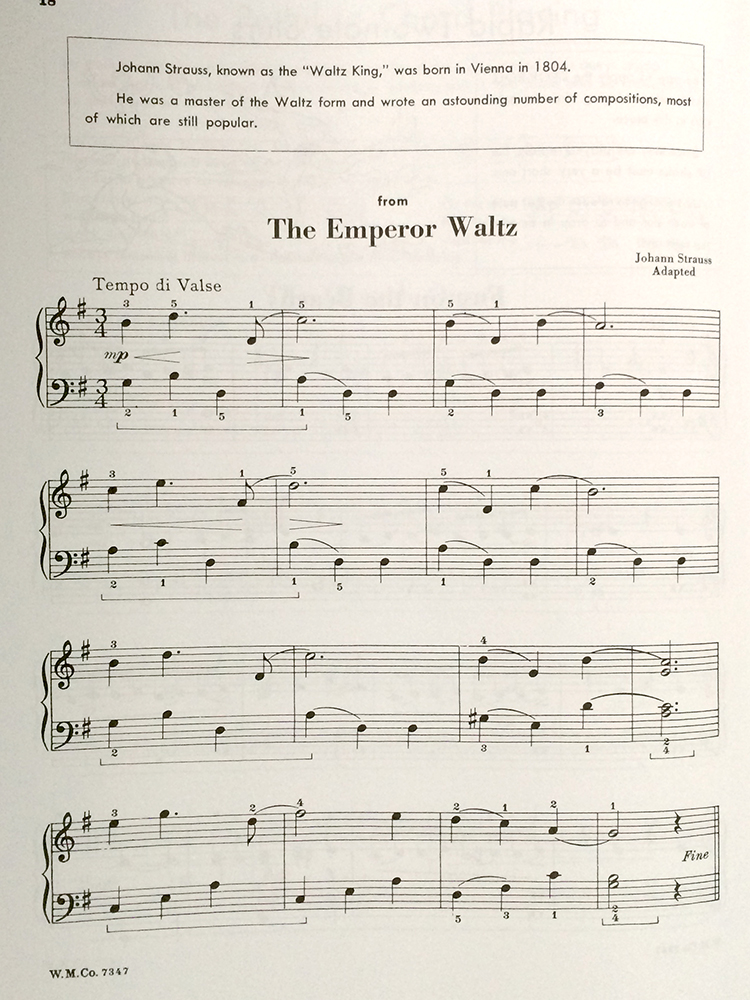

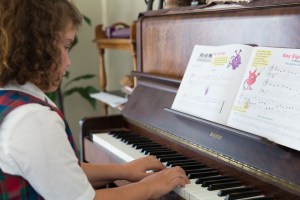 The three must all be activated for a child to remember how a specific piece of music works. If a pupil doesn’t play or rarely plays during the week (for instance, just once at the weekend), the kinetic memory will not work and the student will not remember what to do. This usually results in them feeling discouraged. Chances are the lesson will be virtually the same as the previous one, the child will be disappointed and a vicious circle begins. A study determined that a pupil will forget 80% of the piano lesson if he/she does not practise within the following 48 hours. This is consistent with all types of research on learning and memory. A pupil who does not practise daily will not only feel bad, but will not play well at all and get frustrated. Think about how educators map out core lessons at school. In maths for example, if a child learned their times tables just on Monday morning they would struggle to remember them if they aren’t reinforced. Maths lessons are spread out throughout the week for a reason.
 There are so many
