
I am not a morning person. Not by any stretch of the imagination. As an adult, I have become a night owl who rarely sees the sun rise. However, on those occasions when I do, I can truly appreciate what I am missing. You can watch and feel the world coming alive. The air is crisp and fresh… and so are our minds.
One of the first questions I am asked by new students or parents is how often the student should practise. This is often followed by asking when they should practise. The short answer is of course, when it best suits the family, because making the effort and starting the habit of practise is worthwhile at any time.
However, that doesn’t mean there aren’t times of the day that are better than others. Think about when your kids are most alert and present. It is usually in the mornings, before the pressures of life, study, friends and other activities come along to befuddle their brains. They may be bouncing off the walls after escaping the school gates, but it doesn’t mean their concentration is at optimum levels. You would be familiar with the regular battle of having homework completed!
First and foremost it is our minds that play the piano – not just the fingers. Your mind must be active at all times. Five minutes of concentrated practise is far more valuable than five hours of moving your fingers while your mind wanders.
In the morning you have the highest level of concentration. Practising in the morning becomes part of your morning routine and you don’t need to worry about fitting it in to the rest of your day. That’s not to say it is easy; your mind probably won’t want to do it. But it will get your brain firing on all cylinders so you are ready to jump into the rest of your day.
Most young learners are able to focus and maximise their learning if done early in the day.

Sunrise photograph courtesy of Doreen Laforest, Sydney NSW
As a bonus, research has shown that we are at our most creative in the morning. The part of the brain that controls thoughts is still snoozing, so is not curbing your creativity.
Of course, many students complain that they have to get to school and can’t practise in the morning. The easiest solution is to wake up earlier and go to bed earlier. But if you can’t, you can’t. As I said earlier, I’m not a morning person, so I understand the struggle. The next best thing is to just spend 15 minutes practising one section. Often a couple of shorter sessions can be more effective than one long one.
Remember to consider your neighbours – if getting up earlier means practising at 6am, you may find you are reported for noise disturbance!
The most important thing is that whatever time you pick is a time when your mind is refreshed. Remember the purpose of this practise is to really concentrate on your playing. When you pick a time, schedule it in so it becomes part of your family routine.
If you are considering music lessons for your child or for yourself, please contact me to discuss the options. Piano lessons are conducted at my studio in Wallsend, NSW.


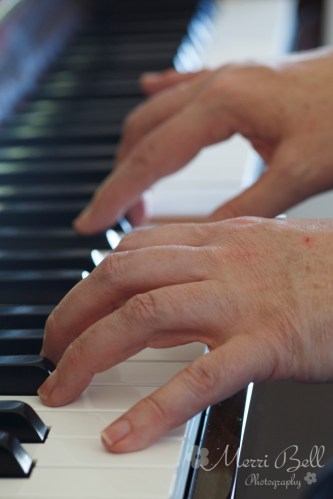 Having your piano in an out-of-the-way location. Having your piano or keyboard tucked away in a spare room or an area of the house not regularly accessed doesn’t encourage regular practise. Out of sight, out of mind! Have your piano in a prominent position in the house so it acts as a constant reminder.
 4. Encourage them to really listen to what they are doing… and listen yourself. If they play a section a few times and it changes from halting to fluent, congratulate and encourage them. Ask them what they are trying to achieve.
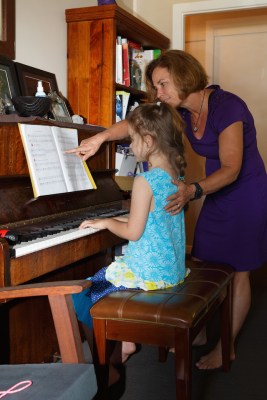 In this first part of a two-part post, we will look at some of the ways you can help your child that don’t involve the music itself. Part two (in two weeks) might surprise you with the ways in which you can be involved with the content of their practise.
 6. Ensure they are sitting correctly at the piano. Keep an eye on them and if you see them slouching, suggest they hold their back straight. This will not only stop body fatigue but will also help them balance their arms and hands properly. Their teacher should also be able to show you how they should be holding their hands, so you can keep an eye on that as well.
 Sometimes we just need to mix things up a bit. Practise can become mundane and boring and concentration wanes. I wrote two weeks ago about

 Why practice scales?
 merri bell music