
Here in Australia, the school holiday break over Christmas is a long one. Six weeks to enjoy the warmth of Summer with lots of outdoor and fun activities.
But six weeks is an awfully long time to go without practising. Kids usually assume if they stop practising for a while, when they restart they will be able to pick up where they left off, but this is not the case. They will quickly realise they have gone backwards.
So what can you do to keep your playing in shape during such a long period of no lessons and no routine?
1. Practise in the morning. If you are on break from school, choose a time in the morning for practising. This way, you know it will be done and you can then spend the rest of the day being able to say, ‘Yes!’ to any plans that may come your way. If you plan to practise later in the day, there is a very high likelihood that something else will come up and practise won’t happen.
 2. Set a goal. No matter what your level, from beginner to advanced, you can benefit from setting some practise goals. You may want to learn a new song, memorise a piece or even improve your sight reading. Set interim goals for yourself along the way so you can check in and make sure you’re on track.
3. Practise sight reading. Sight reading is a skill that is invaluable. If you want to be able to jam with your friends, sight reading is of huge benefit. Do you want to be able to play ‘fun’ songs you hear on the radio? Sight reading lets you do this. You can also read music you like that is written for other instruments or find a friend and sight read duets. Make sight reading part of your practise sessions every day and you will soon see the benefits.
 4. Listen. While this won’t actually exercise your playing muscles, it is a very important part of learning and studying music. Listen to lots of different pianists and listen to other instruments as well. Children tend to only know the music styles listened to by their parents, so its a good opportunity for them to be exposed to a variety of genres. One of my students has grown up with the classic rock of her parents but has recently discovered musical theatre soundtracks (thanks, YouTube). She is enthralled with how the mood of the music tells a story and often comments on “the power” she hears in songs. Expose your musical ear to all sorts of things. You won’t like them all, but you will find plenty you do like.
5. Mental practise. If you are on a trip and won’t have access to your piano (or another one), upload some of the music you are working on to your phone, iPod, laptop, etc. Many of these pieces will be available on iTunes or you can have your teacher record them for you or find a (well-played) version on youTube. Take your sheet music along with you, too. If you are spending long hours in a car or on a plane, or spending several nights in a hotel, those are great opportunities to listen while following along to the music. You can also practise your fingering without having a piano; it is also a great opportunity to visualise how you want the music to sound.
6. Perform. Plan a little summer recital for your family and friends. Often the summer holidays are when people are more relaxed, on leave from work and have more free time. For many of the adults in your child’s life, it may be the only opportunity they get to hear your child play. If you are an adult pianist, when is the last time you played for somebody? Ask your friends to listen to you before you hang out. There is no such thing as too much playing in front of other people; it’s wonderful for building confidence and your listeners will also love it.
7. Have fun! When you’re working hard all year for exams or recitals, it’s often hard to find time to play other music. Summer is the perfect time to pull out the music you have always wanted to learn. Discover something new and learn how to play it, not for any reason other than you want to. Remember the joy.
If you are considering music lessons for your child or for yourself, please contact me to discuss the options. Piano lessons are conducted at my studio in Wallsend, NSW.

 We can use this philosophy to make piano practise less of a chore and make it easier to get ourselves to practise again. Save the best for last. Have a piece that you enjoy playing sitting on the piano ready for you to turn to once the more challenging parts of practise are over. Or finish practise with the piece that requires the least work. Set yourself up so that you end practise on a positive note and you will feel much more inclined to practise again the next day.
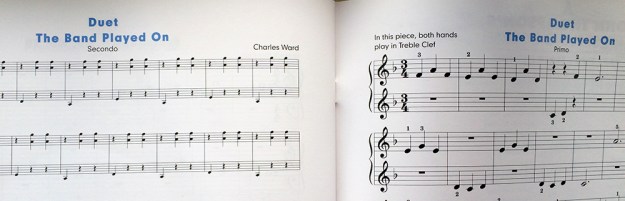 I still enjoy the fullness of sound a duet provides and regularly play a duet ‘together with myself’, where I record the Secondo (bottom part) on my digital piano and then play it back while I play the Primo (top part). Duets are certainly a special experience :-)

 Blob Chorus by Lumpty Learning is one such app, which introduces students to basic pitch recognition in a fun way. It is used in thousands of schools around the world because it also works well in a group setting, but its simplicity means it is also totally suitable for individual lessons.
 Although the game always opens with the default of three blobs, you can set the game to as little as two (which is the best place to start). As you improve, you can increase the number of blobs in the choir. The maximum is eight blobs, which is very difficult.
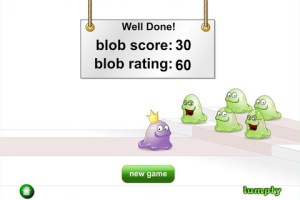 The game is separated into groups of ten questions; after each set of ten you will receive a score and an overall rating.
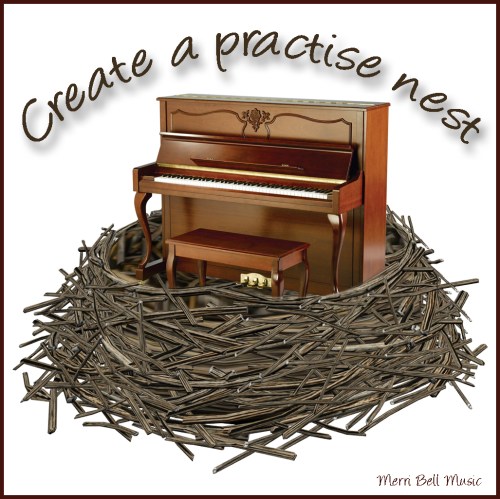 1. When choosing a location for your piano, select a space that is lived-in, welcoming, and well-lit. Keep it close to ‘the action’ but not in the action. Your children will gravitate to the piano more often if it is in a central place in your home. Avoid bedrooms, basements and other ‘put away’ places. Feeling shut-off from the family while practising will inevitably lead to a reluctance to spend time on the piano.
 However, for those who are going to be away from their piano for a period of time, standard practising obviously isn’t possible. I have
 The two I use most are the first two, as they are great early ear training activities asking only to tell the difference between two things. Is the note played a high note or a low note and are the notes going up or down? The interface is easy… just tap the red circle to hear the sound and then drag the same circle to either Beethoven Bear or Mozart Mouse, depending on your answer. For example, the image on the right shows the ‘Notes Going Up or Down’ activity. The student taps the red circle and hears a succession of notes. If they think the melody is moving from lower to higher notes, they drag the circle up to Mozart Mouse sitting at the top of the staircase. If the think the melody is moving downwards, they drag the circle to Beethoven Bear.
 The app also has a simple rhythm exercise, using the note values that are commonly learnt in their first few lessons. Beethoven Bear and Mozart Mouse are each standing under a different rhythm. The student taps the red circle to hear a rhythm and then drags the note to the character standing under the rhythm they think is correct. Once again, the question needs to be answered correctly before moving on.
 merri bell music