Category Archives: Practice Tips

Common Piano Practise Mistakes (Part 2) – Piano Teacher in Wallsend, NSW

“Don’t practice until you get it right. Practice until you can’t get it wrong.”
– Unknown

With our longest holiday period of the year upon us here in Australia, students will have six weeks in which they will be practising with no input or guidance from their teachers. That’s a long time to be getting nowhere if they aren’t practising effectively and efficiently. Two weeks ago I posted about some common mistakes make by students when practising and how to overcome these issues.

Following are some more tips that will help you practise effectively not just over the summer holidays, but at any time:

Using incorrect fingering. Sometimes the fingering noted on the music may seem either unimportant or too difficult, but the truth is it is always there for a reason. It is usually moving your hand to where it needs to be for optimum movement (and minimal confusion). Being consistent with fingering also calls upon your muscle memory, allowing you to learn the piece with more stability.

Practising too fast. I know I have mentioned this many times before, but it is so important to slow down and take your time. It can be frustrating when you know how the piece sounds and you just want to play it at speed so the familiar sound and what you are playing are closer. But playing too fast doesn’t allow you to really pay attention to what you’re playing or note the areas that need additional work. It’s much easier to increase speed once the piece is correct than it is to have to slow down later and try to ‘unlearn’ mistakes.
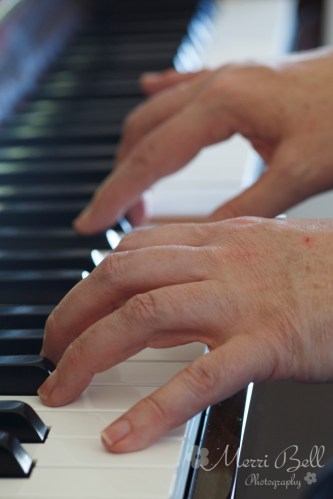
Piano teacher Wallsend NSWHaving your piano in an out-of-the-way location. Having your piano or keyboard tucked away in a spare room or an area of the house not regularly accessed doesn’t encourage regular practise. Out of sight, out of mind! Have your piano in a prominent position in the house so it acts as a constant reminder.

Not counting out loud. Even though I have been playing for over 40 years, I still find counting out loud is the easiest way to get my mind around a complicated new passage. It is particularly crucial for beginners and works excellently in conjunction with the point above about slowing down. Counting out loud helps develop a sense of rhythm; the physical act of counting makes the rhythm more dominant and the hands tend to follow.

Watching your hands instead of the music. When you watch your hands instead of the music, you tend to learn the piece with mistakes; playing by ear and using memory take over from reading what the music is asking you to play. When you do need to look down to your hands, try to just avert your eyes rather than move your head, or it is more difficult to re-find your place on the music when you lift your (moved) head back up.

Practising “in bulk”. Shorter, regular practise sessions are far more effective than one very long one. Once you are aware you are becoming mentally fatigued, you should stop practise and come back to it when you feel more alert.


If you are considering music lessons for your child or for yourself, please contact me to discuss the options. Piano lessons are conducted at my studio in Wallsend, NSW or mobile lessons are available in the eastern suburbs of Lake Macquarie.
 

Common Piano Practise Mistakes (Part 1) – Piano Teacher in Wallsend, NSW

Sometimes you may feel as though you are beating your head against a brick wall. You set a practise schedule and you try to stick to it, but you just aren’t progressing. You could be making one of the following mistakes, all of which are easy to overcome:

Not actually practising. You intend to and you pop it into your schedule but it is never given the priority it requires and deserves. It requires a true commitment. Trust me, once you practise enough to get past those early learning hurdles, you will start to enjoy it much more and even look forward to practise.

Playing what you already know. It’s so much easier to keep playing the pieces you already play well and neglect the ones that require more effort, but you’ll pretty quickly become bored with your repertoire as well as not having a challenge.

Not reviewing old pieces to maintain a repertoire. Following on from the point above, you want to revisit older pieces occasionally so you can maintain a repertoire that has both volume and variety.

Piano teacher Wallsend NSWAlways starting from the beginning. If you start a piece at the beginning every time you play it, you will find you quickly become proficient at the start of the piece but less so as the piece goes on. I often tell my students to start at the part they find the most difficult, work on that part and then incorporate it back into the song.
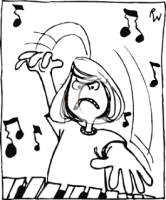
Playing easier parts faster than the harder passages. If – as the point above suggests – you usually start at the beginning of a piece, you will probably play this part best and consequently a little faster. Then when you hit passages that require more concentration, you will slow down. From the time quavers are introduced to my students, I tell them to look at the hardest part (which at that stage is usually where the quavers are) and see at what speed they are comfortable playing that part. The rest of the piece is then played at this tempo. An added bonus is if that means the majority of the piece is feeling too slow, there is an added incentive to work on the troublesome section first to get it to the speed you want. Effective practise!

More common mistakes and how to fix them in a couple of weeks 🙂

If you are considering music lessons for your child or for yourself, please contact me to discuss the options. Piano lessons are conducted at my studio in Wallsend, NSW or mobile lessons are available in the eastern suburbs of Lake Macquarie.


How to Practise When You’re Not Really Practising – Piano Teacher in Wallsend, NSW

piano teacher wallsend nswSometimes we just need to mix things up a bit. Practise can become mundane and boring and concentration wanes. I wrote two weeks ago about playing versus practising. If a student becomes too bored with practising, there is a real danger their practising can turn into aimless playing, which won’t be as effective in moving them forward. We want them to enjoy being at the piano and sometimes this means adding in a bit of extra fun so practise time doesn’t turn into a frustration-filled battleground.

The following are some examples of ways you can get your kids a little more excited about practising:

  • Choose one of the pieces on which they are currently working. Select either the bass clef or the treble clef and have them hop the entire rhythm while balancing on their left foot.
  • Have them create a radio commercial for their favourite piece. Think of three things that make this piece totally awesome (selling points). When they play the piece, they can exaggerate these features that make it so great.
  • Play their piece as though they are a ghost… silently! Press down the keys, but not enough to make any sound.
  • Pick one note and then avoid that note every time it occurs in the piece.
  • Pretend their piano has gone missing and play their pieces on a tabletop. Still use correct rhythm and fingering and see if they can hear any mistakes in their mind as they are playing.

piano teacher wallsend nsw

If you are considering music lessons for your child or for yourself, please contact me to discuss the options. Piano lessons are conducted at my studio in Wallsend, NSW or mobile lessons are available in the eastern suburbs of Lake Macquarie.


Playing vs Practising… A How-to Guide – Piano Teacher in Wallsend, NSW

“Every difficulty slurred over will be a ghost to disturb your repose later on.”           
Frédéric Chopin (18101849) Polish Composer and Pianist

Practising the piano and playing the piano are two different things. If a student plays through all their pieces each day they may well find at the end of the week there is no discernable improvement, even though they have spent hours at the piano.

So what is the difference between playing and practising? Playing is just that – playing the piece through over and over and hoping it improves. Practise involves breaking down the song and working on each weak area as a stand-alone section.

The phrase I probably use most often with my students is, “slow it down” as that is always the first approach to a troublesome section. When you slow down you can better pinpoint where the problem is. It can be difficult to do when you know how the piece sounds; your brain will push you to speed it up and it is easy to lose concentration, but the benefits are worth the effort.

Piano teacher in Wallsend NSW

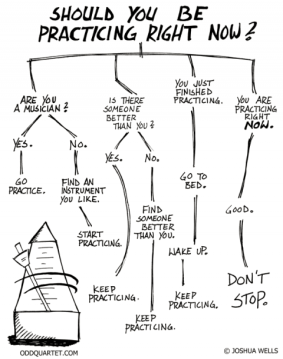
A tongue-in-cheek view of practising

Isolate the problem area and separate the hands, playing each hand on its own until you are more confident with the part each hand is playing. Really think about what you are asking your hands and fingers to do. If there is a run or passage that follows the pattern of a scale or arpeggio, it can help to play that technical exercise a few times first. Then slowly put the two hands back together and work to gradually increase your pace.

While slowing down and/or separating hands, still aim to maintain all the expression (dynamics, tempo etc) required.

Once you feel better about that section, put it back into the whole piece and see how it sounds and feels. If it is improved, move on to the next problem section and go through the same process. Using this method, you will eventually play the piece fluently and with pride in what you have achieved.

If you are considering music lessons for your child or for yourself, please contact me to discuss the options. Piano lessons are conducted at my studio in Wallsend, NSW or mobile lessons are available in the eastern suburbs of Lake Macquarie.

Scales… Pain or Gain? – Piano Teacher in Wallsend, NSW

Ah, scales. A word that causes many musicians to sigh with exasperation or boredom. Personally, I always welcomed them, with their structure and consistency. Love them or hate them, scales are a big part of practise life for any musician (instrumentalist or vocalist).

A scale is “…any set of musical notes ordered by fundamental frequency or pitch. A scale ordered by increasing pitch is an ascending scale, while descending scales are ordered by decreasing pitch.” (Wikipedia) They are the backbone of all types of music we play.

While a variety of scale types exist, each type is defined by its characteristic interval pattern. It is the constant repetition of these patterns that causes scales to be such a large part of learning to play an instrument – including the voice – because they help build muscle memory. By playing scales, your fingers will learn to easily go to the correct notes in the scale you are playing, so when you play a piece of music, your fingers will move more automatically to the correct notes.

Piano teacher Wallsend NSWWhy practice scales?

  1. Scale practice plays an essential part in developing a pianist’s skills.
  2. They improve keyboard fluency.
  3. Scales develop posture, hand position and coordination, as well as balance between the hands and movement of the arm.
  4. Practising scales speeds up the learning of new pieces (muscle memory).
  5. They develop evenness of line and quality of tone.
  6. Scale playing builds aural awareness.

For students preparing for an exam, the examiner will be looking for:

  • A positive sense of rhythm without under-accentuation;
  • Even, firm tone and a musical curve;
  • Good legato;
  • Accurate and fluent realisation of the different types of scales, arpeggios and broken chords; and
  • Convincing negotiation of technical challenges such as smooth passage of thumb and hand coordination.

So the lesson here is we need to learn to love scales. They are incredibly beneficial physically and the basis of all we do as musicians. All practise sessions should start with a variety of scales, even if their only purpose is to warm up the fingers and hands (although we know they do much more than that). To break up the repetitive nature of practising scales every day, apps such as Blitz Book’s ‘Scale Blitzer’ can add a bit of fun.

If you are considering music lessons for your child or for yourself, please contact me to discuss the options. Piano lessons are conducted at my studio in Wallsend, NSW or mobile lessons are available in the eastern suburbs of Lake Macquarie.

Encouraging More Practise – Piano Teacher in Wallsend, NSW

Establishing a practising routine can be hard work! Playing the piano is not easy and your kids will try all sorts of excuses to get out of practising. It is important to set practise time into their general routine so it has a place and is not just something that is done if they have leftover time.

Following are some tips to encourage more practise:

  • Never underestimate a reward system. Use whatever works for your child; it could be anything from extra iPad time to an exemption from a household chore. Their reward may even be a favourite meal.
  • Schedule practise time to happen before something they can relax with – free play time, for example. Of course, if you suspect this may lead them to rush through practise with no concentration, try another tactic.
  • Give your child something exciting to work for. Anticipation works wonders! Set a practise goal, wrap a little gift and pop it somewhere they can see it. Only when they reach the practise goal are they able to open their gift.
  • Connect their practise session with another activity that occurs every day. Perhaps your child could practise straight after breakfast or maybe before they start their homework. Whatever works for you.
  • Remember to reward yourself. This is your journey as well, so find something fun with which to reward yourself when you are successful at getting your kids to practise.

Piano Teacher Wallsend Newcastle NSW


A great little resource for practising tips for parents is the e-book “101 Piano Practice Tips”, which is available through Amazon.


If you are considering music lessons for your child or for yourself, please contact me to discuss the options. Piano lessons are conducted at my studio in Wallsend, NSW or mobile lessons are available in the eastern suburbs of Lake Macquarie.

Helping Your Child Achieve Good, Quality Practise – Piano Teacher in Wallsend, NSW

Let’s assume your child has made a commitment to learning to play the piano and has ceased to see you as the ogre in the household because you are constantly hounding him/her to practise.  “That’s a fantasy world!” I hear you exclaim. Well, it may never become quite that easy, but there are some things you can do to ensure the practise sessions they do get through are as effective as possible.

Overall I think the most important thing you can do to show your child you are committed to their learning and progress, is to schedule their practise time in to your weekly schedule. It should be included in their regular tasks, just like school homework (and also ensures “too much homework” doesn’t become an excuse for not practising).

Try some of the following tips and see what works best for you:

  • Encourage your child to practise most days (with a couple of ‘rest days’ interspersed in between). Consistency is so important and regular, shorter practise sessions are far more effective than one or two long practises. The more they practise, the more they will improve and this will increase their enjoyment of playing the piano.
  • This may seem obvious, but encourage your child to really focus when they are practising. Chances are their mind is more engaged in what they are wanting to do next and if they are rushing to finish, they will make more mistakes. This will only result in increased frustration and no improvement in their playing. A short practise brimming with focus is far more effective than a long, unfocussed session.
  • Encourage your kids to play the pieces they find difficult. If they are becoming frustrated, have them play with hands separately and become comfortable with that before joining their hands back together.
  • Piano teacher Wallsend Newcastle NSWLet them write on their music (in pencil, of course). While you don’t want them writing in every single note name, marking up spots where they are having trouble every time may help. It might be the note names of a tricky passage or an unusual timing count that trips them up. Having a little help written in may increase their confidence with the whole piece.
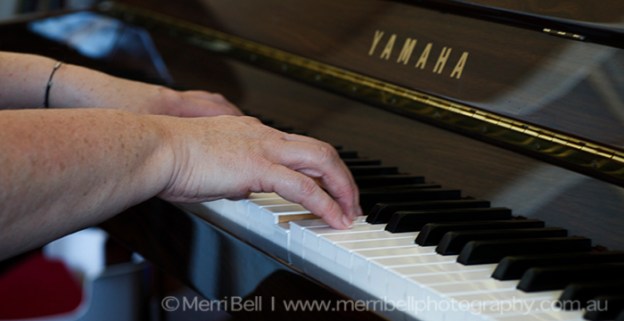
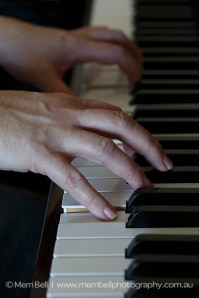
  • Encourage slow playing, particularly of new songs. Most of us – not just the kids – have a tendency to want to play quickly, particularly once we know how the piece should sound. What we risk doing is ‘practising-in’ mistakes and learning the piece incorrectly. It is also frustrating for both there person playing and the person listening! Playing slowly also helps increase control. Once they are more familiar with the piece, playing it faster will come naturally.
  • Count out loud. Nice and simple. If the timing is tripping them up, counting out loud is far more effective than counting silently in their heads; it makes the count more dominant.

If you are considering music lessons for your child or for yourself, please contact me to discuss the options. Piano lessons are conducted at my studio in Wallsend, NSW or mobile lessons are available in the eastern suburbs of Lake Macquarie.

Tips for Making Piano Practise Fun – Piano Teacher in Wallsend, NSW

We all know practising anything can quickly become a drudgery. We need to go over and over the same thing, often with frustration at the mistakes we make.

Following are some tips to make your child’s piano practise more fun:

  1. Do you know another family with children taking music lessons? Set up a buddy system and let the kids set practise goals together. They can encourage each other to practise and celebrate together when they meet their goals.
  2. Encourage your child to perform. They could host a little recital for family and/or friends. As well as being a fun way to encourage practise, it also allows your child to become accustomed to performing, which will help with exams.
  3. Use the grandparents/relatives. If your child has a grandparent who lives a distance away, have your child call or Skype them and play a piece for them. The grandparent will love to hear how they are progressing and the child will love the support and encouragement to practise the piano regularly.
  4. Find a role model for your child. Perhaps an older child who plays the piano, or even a musician at church. Somebody whose talent your child admires and who is willing to encourage your child.
  5. Duets! It’s always fun to play with a friend. Siblings often enjoy playing together, even when it inevitably ends in giggles. If you don’t have siblings both learning the piano, see if any of their friends are at the same level.
  6. Be working on some sort of goal yourself. You and your child can set goals together and when you both meet them, you can treat yourselves together. It’s a great bonding opportunity as well as teaching your child the value of working consistently for a result.

Piano teacher Wallsend NSW

If you are considering music lessons for your child, please contact me to discuss the options. Piano lessons are conducted at my studio in Wallsend, NSW or mobile lessons are available in the eastern suburbs of Lake Macquarie.

Practise Tips: Things You Can Do Right Now – Piano Teacher in Wallsend, NSW

Providing piano lessons for your child is providing them with a blessing – the gift of music. But like anything of value in life, it requires work and unfortunately for the parents this usually means hounding your child to practise.

Following are some tips for practising:

  1. Piano teacher Wallsend NSWMake practise a priority! If children don’t practise, they don’t play well and they may start to believe they can’t play the piano. You have committed to your child’s piano lessons by paying for them, so they need to show the same commitment by practising or your money will be wasted.
  2. A great time to practise is straight after the lesson and on the next day. This is when what they have been taught is fresh in their mind and will result in a much better quality practise. If they wait a few days after the lesson before the first practise, chances are they will forget what was discussed.
  3. Consistency is so important. Shorter, focussed but consistent practise of 4 or 5 days a week is much better than a longer session at the piano on only one or two days.
  4. Should you remind your kids to practise? YES! We have to remind children to do all sorts of things from brushing their teeth to loading the dishwasher (or whatever their given jobs may be) so piano practise is no different.
  5. Decide on a minimum number of years your child will commit to lessons. Often when things become harder and they start to feel challenged, they will see the solution as quitting. Everybody struggles at some point… it just means we’re growing and learning.
  6. Have your child see you practising something or learning a new hobby. They will realise that learning anything involves work.
  7. Give your child lots of encouragement when they put in the effort at the piano. It’s great for them to overhear you telling somebody else how well they are doing.

If you are considering music lessons for your child, please contact me to discuss the options. Piano lessons are conducted at my studio in Wallsend, NSW or mobile lessons are available in the eastern suburbs of Lake Macquarie.


How to practise effectively – Piano teacher in Wallsend and Lake Macquarie, NSW

A couple of weeks ago a young student said to me, “I got the notes right once, so I wasn’t game to try it again through the week – I didn’t want to risk it.” While I understood his logic, this is not a practise method that results in improvement. As you would suspect, he struggled to play the piece again.

Because music is an art form and is appreciated audibly and emotionally, it can be easy to forget that a good performance is rooted in physical skill. As such, that skill needs to be developed and maintained, just the same as any other physical skill. It’s not just about knowing what keys to strike on the keyboard. People who learn dancing or play a sport do the same steps or practise the same drills over and over and over. In the same way, developing the dexterity and techniques required to beautifully play an instrument requires consistent effort.

Repetition… repetition… repetition!

Over the coming months I will share with you different thoughts and techniques to make practise more effective (as well as tips for parents to get the kids to practise in the first place). In the meantime, the most important overall concept to remember is:

A practise session is not effective if, by the end of the session, there has been no improvement from the beginning of the session. Just stumbling through the piece/s or scales once is not going to do the job. Go over and over the piece – or sections within the piece – until you are more comfortable with it than you were when you started. You’ll be happier with your progress and will know that the practise session has been worthwhile.

Repetition… repetition… repetition!

If you are considering music lessons for your child, please contact me to discuss the options. Piano lessons are conducted at my studio in Wallsend, NSW or mobile lessons are available in the eastern suburbs of Lake Macquarie.