Tag Archives: piano teacher Newcastle NSW

How to Practise When You’re Not Really Practising Part II – Piano Teacher in Wallsend, NSW

It’s likely that nowhere in the world does there exist a child who loves to practise. It’s just not how they are made. As adults, we can understand the reasoning behind the philosophy and appreciate the resulting improvement, but for kids it is a necessary evil… a drag.

So while we want them to learn to appreciate it, it doesn’t mean we can’t occasionally throw some fun in there for them as well. Chances are they won’t even realising they are practising!

If you find your child’s interest is waning or you’re just tired of the battle, give some of the following ideas a go:

  • Piano teacher in Wallsend NSWHave them pick one of their pieces and turn all of the notes into twins. i.e. play every note twice.
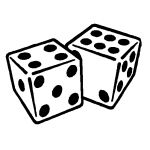
  • Roll dice to determine what bars of their piece to play. If they are playing pieces more than a couple of lines long, also add the value of the dice. For example, if they roll a 3 and a 6, they should play bars 3, 6 and 9. Keep playing just these bars until they can play them from memory.
  • Get into rockstar mode… stand up to play and have them strike their best rockstar pose.
  • Have an adult conduct them at varying speeds. If the adult waves their baton (whatever you can find in your kitchen, or even a piece of paper rolled up) fast, the child should play fast. Slow down the conducting and the playing should slow down as well.
  • Piano teacher in Wallsend NSWPlay only the first note in each bar. Write out this new melody.
  • Have the child make a paper aeroplane and throw/fly it towards the piano. Wherever the plane lands is the octave in which they should start playing their piece. If they miss the keyboard, they have to play the piece normally… three times!

Adding some fun and variety into some of their practise sessions will hopefully keep practise fresh for your child (and less stressful for you). Plus, a less mundane practise is much more likely to be effective and beneficial. See what other ideas you can come up with 🙂

If you are considering music lessons for your child or for yourself, please contact me to discuss the options. Piano lessons are conducted at my studio in Wallsend, NSW.

Keeping Your Body in Tune – Piano Teacher in Wallsend, NSW

Today I am having an operation on my shoulder. It is a subacromial decompression (or acromioplasty) to relieve the impingement that has caused me pain and greatly restricted movement for the past twelve months. When I first visited the physiotherapist he was not the least surprised to hear I was a pianist and piano teacher. He said shoulder injuries are not uncommon in our profession. So that started me thinking about how as creatives, we often don’t adequately look after the physical side of things.

Back up straight, feet flat on the floor, arms at right angles, hands high, fingers curved. We have all heard those instructions many times. Good teachers will establish correct posture at the first lesson and will continue to reinforce it. But we tend to think this is solely for better technique and ease of playing and forget that it also serves to protect our bodies.

Playing the piano is not just a mind-finger-piano activity. It is an holistic experience that incorporates our whole body (along with our mind, spirit and emotions), so we need to look after our body not only to harmonise all these aspects but also to compensate for the hours we spend sitting at our instrument.

As musicians, we use a vast array of muscles to play an instrument, but rarely are we encouraged to exercise these muscles. Hundreds of muscles in our body work together to help achieve the nice tone we produce. The reasons why our arms, hands and fingers are important are the most obvious, but we also rely on other areas. For example, our hips affect how we sit and need to move freely to support our torso as we reach up and down the keyboard.

In not considering the physical strain we are placing on our bodies, we instead tend to abuse them. We lean forward, hunching our shoulders, to peer at the music (particularly when concentrating on a troublesome passage), which causes the back to ache and places undue pressure on the shoulders. We sit in the one place for too long without moving, or we sit incorrectly, creating problems in the back, hips and thighs. The tension of concentrating can create stiffness in the wrists and hands.

Piano teacher in Wallsend NSW

So what do we do about this? We need to be aware of the quality of our movement. Are our movements tense or free? Awkward or smooth? Are we at the keyboard in a position where our muscles and ligaments are working for us or working against us? We can train for a better quality of movement by training attention and awareness.

Stretching and exercise are vitally important. Just as an athlete stretches and prepares before and after exercises, so should musicians before and after playing. Significantly, stretching can prevent injury. However, it also helps to strengthen the muscles and if done regularly, can also slightly lengthen them, which leads to them becoming more efficient. Long hours of practise can also cause tension in the muscles, which stretching will help to release.

Muscles that work better are more effectively prepared to perform, so by stretching and exercising, you can more quickly develop skills and move forward. The new-found balance you feel will inevitably reflect in the quality of your performance.

Tara Davidson from All Better Bodies is a stretch specialist and a massage therapist, so she understands the body and how keeping it in top physical shape can affect all areas of our lives. This includes being supple and flexible in the areas that are affected by and used to play the piano.

Stretch classes are run by Tara twice a week in Toronto, NSW; Tuesday mornings (9.15-10.00am) and Thursday nights (6.15-7.15pm). Be sure to ‘like’ her page – All Better Bodies – for more information and ongoing help with health, fitness and nutrition.

Tara has devised and recorded a short stretching routine that is great for any pianist to run through before sitting down at the piano. Give it a try!

If you are considering music lessons for your child or for yourself, please contact me to discuss the options. Piano lessons are conducted at my studio in Wallsend, NSW.


When is My Child Ready to Start Piano Lessons? – Piano Teacher in Wallsend, NSW

Nowadays – more than in previous times – there seems to be a desire for kids to be involved in many different activities and as early as possible. Young kids are like sponges and we want to feed their curiosity and eagerness.

Music lessons are no exception.

Like any activity, each child is different and will be ready at different times, but the following list will help you determine whether your child is ready to start formal lessons:

Attention span

Can your child sit still and concentrate for 20-30 minutes? Even though most teachers today will vary the lesson with off-the-bench activities as well, it is still a solid half hour of concentration, with much of that time spent at the piano. It’s not the same level of concentration as sitting still watching a movie for an hour.

Reading and writing (and ‘rithmetic)

Fluent reading and writing is not necessary to be able to play the piano. However, confidence in the basics is. The musical alphabet uses the first seven letters and the child needs to be comfortable with their order both forwards and backwards. As well as learning the note names, reading music also involves counting (note values). This concept is based on fractions (eg a crotchet is half the value of a minim).

Fine motor skills

Having the control and dexterity required to correctly hold a pencil helps kids with the fine motor skills needed at the piano. Can they use scissors well? Can they colour fairly well ‘between the lines’?

Reading from left to right

Does your child correctly track from left to right and top to bottom when they read a book?

Recognising patterns

Being able to see patterns and recognise up and down assist with both reading music and keyboard recognition. The keyboard includes groups of two and three black notes and the patterns within these groups are used to establish note locations. Moving up and down the piano according to tone is important, as well as being able to see that notes written on the music are following a particular direction.

Physical strength

Does your child have enough strength to depress the keys using the forearms without undue pressure from the fingers? Can they support their hands on their fingers? There is a physical aspect of piano playing that needs to be developed and this usually occurs between the ages of 6 and 8.

Piano teacher Wallsend NSW

From a very young age, Miss B was always encouraged to indulge in her passion for music but didn’t begin formal lessons until she was physically and emotionally ready – at age 8.

Beat and Rhythm

Does your child sway or move in time to music he hears around him? Can she clap in time? While rhythm can eventually be taught, it is much more difficult to understand how to count music if they can’t hear the beat.

Accepting Criticism

Piano teachers are generally a caring and encouraging bunch of people. However, doing our job involves correcting errors and teaching new things. We will always do it as nicely as possible, but a child who is resistant to being either instructed or corrected may need to wait a little longer before starting.

Agreement to regular practise

Music is not a one-day-a-week commitment like many other activities. These days there are few extracurricular activities that require kids to daily put in a concerted effort. Before starting lessons, you need to ensure your child will be agreeable to daily practise.

You should also assess your own availability to help them. While your teacher will provide your child with all the tools they need to succeed, when the parents are involved children tend to progress more quickly than students left to their own devices. Particularly with young students or beginners, a parent sharing their interest and giving encouragement goes far in their development.

For all the above reasons, I prefer to not start students until they are around six years old.

Of course, there will always be exceptions to the rule, but objectively checking off the points above and waiting until your child is ready to learn with the least amount of stress possible will usually work in their favour.

If they are not yet quite ready for formal lessons, you can still indulge their passion for music by enrolling them in general music appreciation classes. This will also expose them to a variety of instruments and music and will also allow them to develop a good sense of beat and pitch, which will be a huge asset when they begin piano lessons.

If you are considering music lessons for your child or for yourself, please contact me to discuss the options. Piano lessons are conducted at my studio in Wallsend, NSW.

Three Sure-Fire Ways to Improve Your Playing – Piano Teacher in Wallsend, NSW

I know I talk a lot about practising, but it is so important I can’t ignore it. Practise is the vital component of being able to play well. The linchpin. The thing that brings everything else together.

You can have the best teacher in the world and turn up every week for your lesson, but if you do no work in between lessons, you simply will not improve. Because of this, I post often about practicing. Different tips and techniques will resonate with each person or family, so I like to throw into the mix as many ideas as possible.

These three points are not really tips, though – they are fundamentals. They are the three things I push with all my students from day one. I’m sure sometimes I sound like a broken record!

If you are having trouble with a particular passage, any one of these techniques will help and often a combination is even better:

Slow down

Slow down and take your time. It can be frustrating when you know how the piece sounds and you just want to play it at speed so the familiar sound and what you are playing are closer together. But playing too fast doesn’t allow you to really pay attention to what you’re playing or note the areas that need additional work.

It is not necessarily easy to play at a very slow speed and discipline is required, but once you see the value it is much easier to stick with the technique. Practicing slowly helps with a range of aspects:

  • Establishing correct fingering;
  • Phrasing;
  • Wrist and arm movement;
  • Understanding chord structure; and most importantly
  • Note accuracy.

It allows the brain more time to comprehend every aspect of the piece and understand the overall picture or structure.

Physically, it can also help with tension. When we are playing a difficult passage, we will often subconsciously tense up and become stiff, particularly with fast sections. When playing slowly the body is more likely to relax, allowing for more freedom of movement and improved sound quality.

Speed can be built back up but bad habits are harder to unlearn. Also, your brain has already learned all the necessary movements so speed is just about thinking faster J

There is no such thing as too slow!

Count out loud

Even though I have been playing for over 40 years, I still find counting out loud is the easiest way to get my mind around a complicated new passage. It is particularly crucial for beginners and works excellently in conjunction with the point above about slowing down. Counting out loud helps develop a sense of rhythm; the physical act of counting makes the rhythm more dominant and the hands tend to follow.

As an extension, clapping the rhythm can also be useful; it allows you to hear and understand the rhythm before adding in the melody.

Separate hands

Similar to pulling difficult passages out of a whole song, playing with separate hands helps to reduce complexities into manageable tidbits.

Piano teacher in Wallsend, NSW

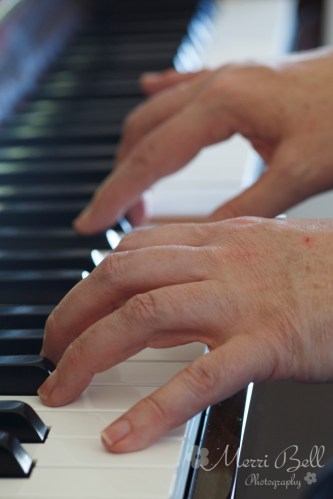
Practising the left hand separately.

Think about technical development in areas such as scales and arpeggios – it is always learnt playing with separate hands first. Even the AMEB technical syllabus introduces new concepts with separate hands for a grade/year before they are brought together the following year/grade. It is only once these techniques are mastered that the hands are brought together. In many cases this philosophy can be taken into the pieces we play as well.

Playing hands separately allows the muscle memory of each hand to be continually reinforced, which makes it easier to then bring them together.

Practicing hands together is not twice as hard as practicing hands separately—it is at least four times as hard. As your playing becomes more advanced you will come across pieces where each hand is a separate voice or voices, and you want to hear and understand how they sound in isolation so each one can be shaped into an independent voice before putting them together.

Separating the hands is useful in the majority of instances, but may not help in pieces where the melody is constantly flowing between the two hands.

So if you are struggling with a difficult piece (or passage), remember the three golden rules:

  1. Slow everything right down.
  2. Count out loud.
  3. If still having trouble, play each hand separately.

If you are considering music lessons for your child or for yourself, please contact me to discuss the options. Piano lessons are conducted at my studio in Wallsend, NSW.

Common Piano Practise Mistakes (Part 2) – Piano Teacher in Wallsend, NSW

“Don’t practice until you get it right. Practice until you can’t get it wrong.”
– Unknown

With our longest holiday period of the year upon us here in Australia, students will have six weeks in which they will be practising with no input or guidance from their teachers. That’s a long time to be getting nowhere if they aren’t practising effectively and efficiently. Two weeks ago I posted about some common mistakes make by students when practising and how to overcome these issues.

Following are some more tips that will help you practise effectively not just over the summer holidays, but at any time:

Using incorrect fingering. Sometimes the fingering noted on the music may seem either unimportant or too difficult, but the truth is it is always there for a reason. It is usually moving your hand to where it needs to be for optimum movement (and minimal confusion). Being consistent with fingering also calls upon your muscle memory, allowing you to learn the piece with more stability.

Practising too fast. I know I have mentioned this many times before, but it is so important to slow down and take your time. It can be frustrating when you know how the piece sounds and you just want to play it at speed so the familiar sound and what you are playing are closer. But playing too fast doesn’t allow you to really pay attention to what you’re playing or note the areas that need additional work. It’s much easier to increase speed once the piece is correct than it is to have to slow down later and try to ‘unlearn’ mistakes.

Piano teacher Wallsend NSWHaving your piano in an out-of-the-way location. Having your piano or keyboard tucked away in a spare room or an area of the house not regularly accessed doesn’t encourage regular practise. Out of sight, out of mind! Have your piano in a prominent position in the house so it acts as a constant reminder.

Not counting out loud. Even though I have been playing for over 40 years, I still find counting out loud is the easiest way to get my mind around a complicated new passage. It is particularly crucial for beginners and works excellently in conjunction with the point above about slowing down. Counting out loud helps develop a sense of rhythm; the physical act of counting makes the rhythm more dominant and the hands tend to follow.

Watching your hands instead of the music. When you watch your hands instead of the music, you tend to learn the piece with mistakes; playing by ear and using memory take over from reading what the music is asking you to play. When you do need to look down to your hands, try to just avert your eyes rather than move your head, or it is more difficult to re-find your place on the music when you lift your (moved) head back up.

Practising “in bulk”. Shorter, regular practise sessions are far more effective than one very long one. Once you are aware you are becoming mentally fatigued, you should stop practise and come back to it when you feel more alert.


If you are considering music lessons for your child or for yourself, please contact me to discuss the options. Piano lessons are conducted at my studio in Wallsend, NSW or mobile lessons are available in the eastern suburbs of Lake Macquarie.


How the Non-Piano-Playing Parent Can Help Their Piano-Playing Child (Part 2) – Piano Teacher in Wallsend, NSW

“I don’t understand what she’s playing, so I don’t know how to help.”

This is a phrase I hear often from parents who have no musical training themselves. Because they don’t know the details of the music, they worry they can’t help their child with their practise. This is most definitely not the case.

I wrote two weeks ago about the practical ways a non-musical parent can help their piano student child (that post is here) but believe it or not, you can also help them improve their playing.

1. The most important thing you can do is simple. Listen. That’s it. Listen to them practise. You will hear their pieces often enough that you may surprise yourself when you realise you can pick up mistakes. You don’t need to know how to fix it, but you can stop them and have them go back over that section.

2. Don’t be afraid to say, “Again!” I’m sure you are a music listener, even if you aren’t a musician yourself and your ears will know if something doesn’t sound right. Tell them to play it again. And again. This also works really well for scales and technical work (and my students are used to hearing it – I don’t let a scale go until they have played it without error).

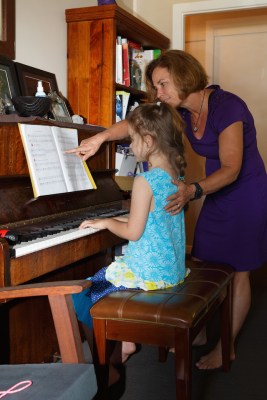
3. Sitting with your child for the first five minutes of practise can have a huge impact on your child’s musical success. For starters, it allows them to realise you are listening and involved and know exactly what they are doing. Use this time to ask them questions, which can be done in two ways:

  • Be nosy. Ask them questions about what they are playing. Pick something the teacher has marked and ask them why or perhaps select a word of terminology or an articulation mark on the music and ask them what it means. It doesn’t matter if you don’t know the answer… they are having to think about it; or
  • Ask general questions, such as, “What is the hardest part of this piece? Can you play just that part for me?” or “Can you clap the rhythm of this bar for me?” I can provide flashcards containing samples.

Chances are they’ll get quite a kick from teaching you something as well 🙂

Piano teacher Wallsend NSW4. Encourage them to really listen to what they are doing… and listen yourself. If they play a section a few times and it changes from halting to fluent, congratulate and encourage them. Ask them what they are trying to achieve.
5. Most people can feel a basic rhythm so you should be able to tell if the rhythm is uneven or inconsistent. Ask them to show you how they count the piece/section and have them count out loud as they play it.

6. Don’t expect them to always play their pieces through. Often working on smaller sections is more beneficial. I always teach my students to “pull out” the troublesome section and work on that alone until it has improved. We can put the piece back together at the lesson if they have refined each of the sections. Sometimes a teacher may set only sections (or even just one hand) rather than the whole piece.

7. Tell them to slow down if they’re having trouble. Speed can be built back up but bad habits are harder to unlearn. There is no such thing as too slow!

If you are considering music lessons for your child or for yourself, please contact me to discuss the options. Piano lessons are conducted at my studio in Wallsend, NSW or mobile lessons are available in the eastern suburbs of Lake Macquarie.

How the Non-Piano-Playing Parent Can Help Their Piano-Playing Child (Part 1) – Piano Teacher in Wallsend, NSW

Parents who have never played a musical instrument often feel lost when it comes to helping their child practise at home. They may feel their ability to help is limited to phrases such as, “It’s time to practise the piano!” or “Your lesson is in 15 minutes – quickly do some practise!” or even, “Did you remember to practise this week?” But it doesn’t have to be this way.

Believe it or not, non-musical parents outweigh musical parents most of the time. Even if you don’t know one note from another, can’t hold a tune or recognise a treble clef, you still have the skills required to help your child learn how to do these things.

Piano teacher Wallsend NSWIn this first part of a two-part post, we will look at some of the ways you can help your child that don’t involve the music itself. Part two (in two weeks) might surprise you with the ways in which you can be involved with the content of their practise.
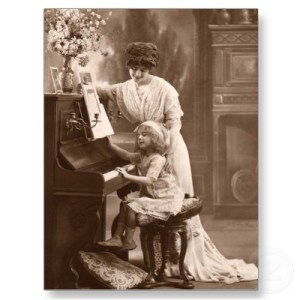
1. Make practising like brushing teeth. Piano practise shouldn’t be something that is done only when there is spare time. Let’s face it… we have to bug our kids to do even the simplest things sometimes (like brushing their teeth or having a shower) so why should piano practise be any different? Yes, you may need to continually hound them, but they will better understand the commitment required if they see you making practise a priority. Practise = progress.

2. Use flashcards to work with them on their music theory; note names, values, symbols and terminology. I have pdf files of flash cards I can share with the parents of my students.

3. Encourage them to perform for friends and relatives. Even for yourself. They can perform for you each week, after they have spent most of the week working on their pieces.

4. Let them hear you bragging about them to other people – it may be about how well they are playing but it could also be about how disciplined they are with practicing.

5. Have them practise when they are awake and alert – practicing in a state of fatigue won’t get them very far.

Piano teacher Wallsend NSW6. Ensure they are sitting correctly at the piano. Keep an eye on them and if you see them slouching, suggest they hold their back straight. This will not only stop body fatigue but will also help them balance their arms and hands properly. Their teacher should also be able to show you how they should be holding their hands, so you can keep an eye on that as well.
7. Allow them to have some “messing around” time at the piano; it doesn’t all need to be structured. This type of activity encourages creativity and early composition skills. I love it when a student turns up and starts the lesson with, “Guess what I made up this week?”

8. Help them organise their practise; schedule it into their routine and keep track of how much they are doing (this doesn’t include the “messing around” time mentioned above).

9. Accept there will occasionally be tears and frustration… learning the piano is not easy! Take a break (and a deep breath) and assess whether or not it is worth proceeding after the break. Either way, encourage your child to note the problem area so their teacher can help them with it at the next lesson.

You can find part two of this post here.

If you are considering music lessons for your child or for yourself, please contact me to discuss the options. Piano lessons are conducted at my studio in Wallsend, NSW or mobile lessons are available in the eastern suburbs of Lake Macquarie.


How to Practise When You’re Not Really Practising – Piano Teacher in Wallsend, NSW

piano teacher wallsend nswSometimes we just need to mix things up a bit. Practise can become mundane and boring and concentration wanes. I wrote two weeks ago about playing versus practising. If a student becomes too bored with practising, there is a real danger their practising can turn into aimless playing, which won’t be as effective in moving them forward. We want them to enjoy being at the piano and sometimes this means adding in a bit of extra fun so practise time doesn’t turn into a frustration-filled battleground.
The following are some examples of ways you can get your kids a little more excited about practising:

  • Choose one of the pieces on which they are currently working. Select either the bass clef or the treble clef and have them hop the entire rhythm while balancing on their left foot.
  • Have them create a radio commercial for their favourite piece. Think of three things that make this piece totally awesome (selling points). When they play the piece, they can exaggerate these features that make it so great.
  • Play their piece as though they are a ghost… silently! Press down the keys, but not enough to make any sound.
  • Pick one note and then avoid that note every time it occurs in the piece.
  • Pretend their piano has gone missing and play their pieces on a tabletop. Still use correct rhythm and fingering and see if they can hear any mistakes in their mind as they are playing.

piano teacher wallsend nsw

If you are considering music lessons for your child or for yourself, please contact me to discuss the options. Piano lessons are conducted at my studio in Wallsend, NSW or mobile lessons are available in the eastern suburbs of Lake Macquarie.


Adult Learners… the pros and cons – Piano Teacher in Wallsend, NSW

“You are never too old to set another goal or to dream a new dream.” – C.S. Lewis

How often do you hear friends and colleagues say, “I wish I hadn’t stopped learning …(insert a variety of past pursuits now inducing feelings of regret)? Often that wish is tied to a musical instrument. Because learning an instrument is hard work, often children give up before they have learnt enough to carry them through into adulthood and they stop playing all together.

Nearly a third of my students are adults and they are a really rewarding group. Learning an instrument as an adult has both pros and cons.

Nobody yells at them to practice, which on the one hand is very nice indeed. On the other hand, they have to be able to discipline themselves to do the job. Also, they are paying for their own lessons, so while footing the bill is not necessarily a positive feature, it’s easier to knuckle down to work when you understand the value.

One of the biggest challenges for adult learners is that their understanding is ahead of their physical reaction. Adults will often pick up theoretical concepts quickly, but they will develop technical and reading skills slowly and gradually. Unlike children who usually have nimble fingers and good technique but lack the emotional maturity to understand the musicality of the piece, adults can usually grasp intellectually how a piece of music should sound (e.g. playful, sad, lilting etc) but don’t have the skill on the piano to express it. This limitation is, of course, only temporary and will be overcome with time and practise. Physically, the body is usually more tight; as people age, they often cannot move their fingers fast enough to play at extreme tempos or their wrists may never loosen enough to provide good flexibility but there is still a lot of beautiful music to be made. There will always be pieces suited their physical level that can satisfy them emotionally and still challenge them technically.

Adult-oriented method books assume adults will learn a lot faster than children and this is not always the case. I have found it to be rarely so; adults may learn differently, but that doesn’t necessarily mean faster. Adult method books usually jump right in to using all five fingers on both hands – and reading nine notes – from the outset. For adults trying to learn something new on top of all the normal pressures of family, work, commitments etc, this can be overwhelming. I would prefer they start out with a sense of accomplishment rather than frustration. Consequently, a lot of the most helpful resources are very child-friendly and do not speak to you as an intelligent adult. But you do get some cute pictures!

Piano teacher in Wallsend, NSW

Adult student, Alan playing finger control exercises.

Adults learners can be fluid, flexible and adventurous and bring with them a strong motivation to learn. But they are also cautious, perfectionists and extremely hard on themselves. They are often very anxious to achieve their goals and it can be difficult to convince them they are doing well. Adult students are also better able to articulate their problems and understand practise suggestions, both benefits helping them to make consistent progress.

The best thing about learning to play the piano as an adult is that they are free to do as they please. Adults aren’t trying to please a parent, a teacher or an examiner. No one is forcing them to take lessons. It’s about them and the music. And that is a blessing 🙂

If you are considering music lessons for your child or for yourself, please contact me to discuss the options. Piano lessons are conducted at my studio in Wallsend, NSW or mobile lessons are available in the eastern suburbs of Lake Macquarie.


Playing vs Practising… A How-to Guide – Piano Teacher in Wallsend, NSW

“Every difficulty slurred over will be a ghost to disturb your repose later on.”           
Frédéric Chopin (18101849) Polish Composer and Pianist

Practising the piano and playing the piano are two different things. If a student plays through all their pieces each day they may well find at the end of the week there is no discernable improvement, even though they have spent hours at the piano.

So what is the difference between playing and practising? Playing is just that – playing the piece through over and over and hoping it improves. Practise involves breaking down the song and working on each weak area as a stand-alone section.

The phrase I probably use most often with my students is, “slow it down” as that is always the first approach to a troublesome section. When you slow down you can better pinpoint where the problem is. It can be difficult to do when you know how the piece sounds; your brain will push you to speed it up and it is easy to lose concentration, but the benefits are worth the effort.

Piano teacher in Wallsend NSW

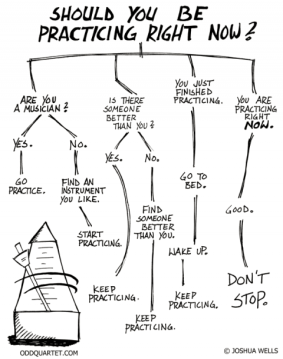
A tongue-in-cheek view of practising

Isolate the problem area and separate the hands, playing each hand on its own until you are more confident with the part each hand is playing. Really think about what you are asking your hands and fingers to do. If there is a run or passage that follows the pattern of a scale or arpeggio, it can help to play that technical exercise a few times first. Then slowly put the two hands back together and work to gradually increase your pace.

While slowing down and/or separating hands, still aim to maintain all the expression (dynamics, tempo etc) required.

Once you feel better about that section, put it back into the whole piece and see how it sounds and feels. If it is improved, move on to the next problem section and go through the same process. Using this method, you will eventually play the piece fluently and with pride in what you have achieved.

If you are considering music lessons for your child or for yourself, please contact me to discuss the options. Piano lessons are conducted at my studio in Wallsend, NSW or mobile lessons are available in the eastern suburbs of Lake Macquarie.